
Last updated October 31, 2026
 Home additions & ADU
 Kitchen remodeling
 Bathroom remodeling
 Roofing
 Windows & doors
 Driveway & pavers
 Fence
Free written scope consultation - allowances, timeline, and change-order rules on paper before a single trade is scheduled
Construction Emergency Preparedness Guide for Henderson Homes
A Henderson microburst in August can deliver 60+ mph wind gusts in under two minutes, fast enough that a homeowner has no time to prepare once it starts. The contractors you can reach at 9pm on a monsoon night are not always the contractors you’d choose in daylight. Having that list before the storm is a construction decision, not just an emergency management one. This guide covers the four construction emergencies most likely to hit Henderson homes, how to harden your property before the season turns, and what to do in the first 24 hours after damage occurs.
Styles & brands we work with
Quick Answer
Construction emergency preparedness for Henderson homes means hardening your property against four specific threats: flash flood roof intrusion, monsoon wind damage, HVAC failure during extreme heat, and hard water pipe failure. The most effective approach is pre-season inspection of your roof, drainage, HVAC, and plumbing systems, followed by a documented emergency response plan that includes a vetted contractor list you’ve already verified through the Nevada State Contractors Board before you need them at 9pm on a storm night.
Table of Contents
- The Four Construction Emergencies Henderson Homes Actually Face
- Pre-Season Construction Hardening: What to Inspect Before Monsoon and Peak Heat
- How to Vet a Contractor When You’re in Crisis Mode
- Temporary Remediation That Won’t Void Your Insurance Claim
- The First 24 Hours: Documentation Protocol for Insurance and Liability
- HVAC Failure in 115°F Heat: The Fastest-Moving Emergency in Henderson
- Hard Water Pipe Failure: The Slow Emergency Nobody Plans For
- Common Mistakes to Avoid
- When to Call a Professional
- Frequently Asked Questions
- The Bottom Line
The Four Construction Emergencies Henderson Homes Actually Face
Forget earthquakes and hurricanes. Henderson’s construction risk profile is shaped by the Mojave Desert and the monsoon patterns that roll up from the Gulf of California every summer. In our experience working on homes across Henderson, from Anthem to Green Valley Ranch, the emergencies repeat with predictable seasonal rhythm. Here are the four that matter most.
1. Flash Flood Roof Intrusion
Henderson gets roughly 4.5 inches of rain annually, but a single July storm can drop an inch in 45 minutes. The city’s arroyos and retention basins handle street-level water well, but roof drainage is a different story. Low-slope roofs, common on 1970s and 1980s Henderson ranch homes, are especially vulnerable. Water pools at the low point, finds a seam, and suddenly you have ceiling damage in the back bedroom. The failure is rarely the membrane itself. It’s clogged scuppers, failing sealant at penetrations, or a drainage design that didn’t anticipate monsoon intensity. Once water intrudes, it moves fast through drywall and insulation, and the repair scope expands from a patch to a re-roof plus interior remediation.
2. Monsoon Wind Damage
Microbursts in Henderson are brief but brutal. A downburst can push wind speeds past 70 mph in a concentrated area, tearing fascia, lifting shingles, and driving debris into windows and siding. Homes on elevated lots in MacDonald Highlands or along the McCullough Range foothills take the brunt, but any neighborhood with mature trees is at risk. The construction vulnerability is often at the edges: roof eaves, gable ends, fence lines, and patio covers. Wind finds the weakest connection point and works it until something gives. Pre-storm hardening matters more than post-storm repair because the damage pattern is predictable once you know where to look. Our Construction Warning Signs: A Henderson Homeowner’s Reference Guide shows exactly what to watch for.
3. HVAC Failure During Extreme Heat
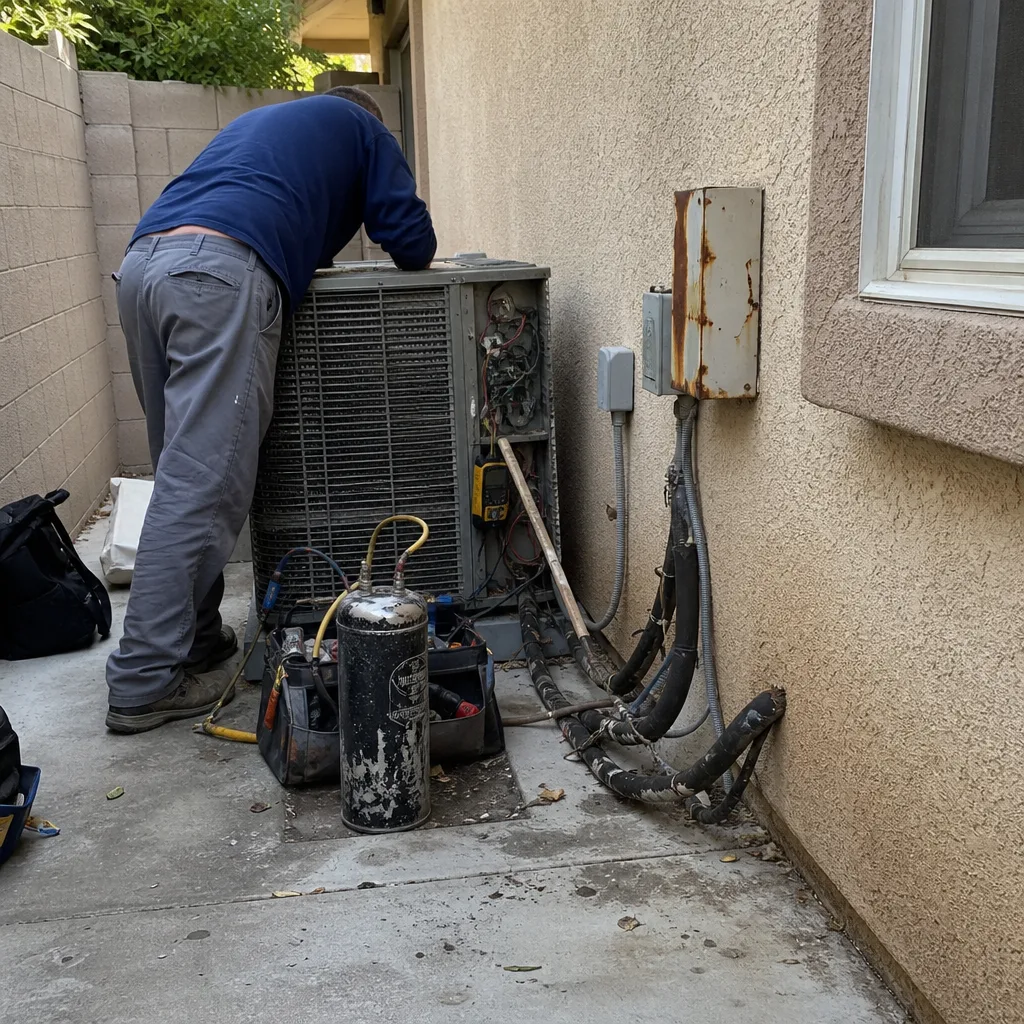
A failed air conditioner in a Henderson summer is a construction emergency, not just a comfort issue. When outdoor temperatures hover at 115°F, interior temperatures in an unshaded home can exceed 100°F within hours. The health risk to elderly residents, infants, and anyone with respiratory conditions is real. The most common failure points are capacitor burnout from continuous cycling, refrigerant leaks at brazed joints, and clogged condenser coils from dust and landscaping debris. We see a spike in compressor failures every July and August when units that limped through spring finally give out under peak load.
4. Hard Water Pipe Failure
Henderson’s water is hard, typically 16 to 20 grains per gallon, which is considered very hard by national standards. That mineral load builds up inside copper and galvanized supply lines over decades. The failure mode is usually a pinhole leak at a joint or a section of galvanized pipe that corrodes from the inside out. Unlike a dramatic monsoon event, this is a slow emergency. A pinhole leak behind a kitchen cabinet can drip for weeks before it’s noticed, and by then the remediation includes drywall removal, mold treatment, and subfloor repair. Homes built before 1990 with original galvanized supply lines are at highest risk.
A general contractor in Henderson who understands these four patterns can assess your home’s specific vulnerabilities before the emergency hits. That pre-season walkthrough is cheaper than any emergency repair.
Pre-Season Construction Hardening: What to Inspect Before Monsoon and Peak Heat
The best emergency response is the one you never have to trigger. Henderson has two distinct threat seasons: monsoon (July through September) and extreme heat (June through August). They overlap, which means your hardening window is really late spring, April through early June. Here’s a numbered inspection sequence that covers the highest-risk systems.
- Roof drainage audit. Clean and verify every scupper, downspout, and gutter. On low-slope roofs, check that water flows to drainage points without ponding. Look for sealant cracks at roof penetrations like vents, skylights, and AC curbs. If you see granule loss on shingles or exposed fiberglass on flat roof membranes, schedule a repair before July.
- Wind load check at edges. Inspect fascia boards, soffit panels, and gable end trim for loose fasteners or rot. Walk the fence line. Henderson’s wind codes require specific nailing patterns on roof decking and fencing; if your home predates the 2018 code adoption, a retrofit is worth discussing with a licensed contractor.
- HVAC pre-season service. Have a technician check capacitor health, refrigerant charge, and condenser coil cleanliness before June. Replace air filters monthly during peak season. If your system is over 12 years old, get a realistic assessment of remaining service life so you’re not surprised by a compressor death in August.
- Plumbing pressure and mineral check. Test water pressure at a hose bib. Henderson’s municipal pressure runs high in some areas, and anything over 80 psi accelerates pipe wear. Inspect exposed supply lines under sinks for corrosion at joints. If you have galvanized pipe, budget for replacement before a pinhole leak makes the decision for you.
- Exterior envelope review. Check window and door seals, weather stripping, and exterior caulking. Monsoon rain driven horizontally by microburst winds will find gaps that vertical rain never touches. This is also the time to verify that stucco has no hairline cracks that water can exploit.
These five steps take a competent homeowner a weekend. They take a home renovation team in Henderson a single day. Either way, the value is in doing it before the storm, not after.
How to Vet a Contractor When You’re in Crisis Mode
Crisis mode is exactly when homeowners make the worst contractor decisions. A leaking roof at 10pm feels like it needs a 10pm fix, and the first company that answers the phone gets the job regardless of licensing, insurance, or reputation. Henderson has a real problem with unlicensed operators who appear after storms, take deposits, and disappear.
Here’s the cold truth: the contractors you can reach at 9pm on a monsoon night are not always the contractors you’d choose in daylight. That’s why pre-vetting matters. Build your emergency contractor list now, not during a storm.
- Verify license status through the Nevada State Contractors Board (NSCB). The NSCB maintains a public license search tool. You can check that a contractor holds an active license, verify their classification covers the work you need, and see if any disciplinary actions are on file. Do this before you have an emergency. Screenshot the results and save them in a folder on your phone.
- Confirm insurance coverage. Ask for a certificate of insurance naming you as the certificate holder. Verify general liability and workers’ compensation coverage. In Nevada, a contractor without workers’ comp can leave you exposed if a worker is injured on your property.
- Check for Henderson-specific experience. A contractor who works primarily in Summerlin may not understand Henderson’s drainage patterns, soil conditions, or the specific code requirements of the city’s building department. Ask for references from Henderson projects within the last two years.
- Get a written scope of work before any money changes hands. Emergency work still deserves a written agreement. It should specify what’s being done, what materials will be used, the total cost, and the payment schedule. Nevada law limits deposit amounts for residential work, and legitimate contractors know this.
- Be wary of the storm-chaser pattern. Out-of-state crews sweep through after monsoon events, offer lowball prices, and leave before warranty claims surface. A legitimate Henderson contractor has a local presence and a reason to stand behind their work.
The Slatestone Contractors home approach is simple: we recommend every Henderson homeowner keep a short list of two or three vetted contractors for each major system. That way, when the monsoon hits, you’re making one phone call, not doing research under pressure.
Temporary Remediation That Won’t Void Your Insurance Claim
When a roof leaks or a pipe bursts, your instinct is to stop the damage immediately. That instinct is correct, but the execution matters. Your insurance policy requires you to mitigate further damage, which means reasonable temporary measures are expected and covered. What it does not allow is permanent repair work done before an adjuster can assess the claim. The line between mitigation and repair is where homeowners get into trouble.
Here’s what you can safely do before a contractor arrives, broken down by emergency type.
Flash Flood Roof Intrusion
- Safe to do: Place buckets or tarps to catch water. Move furniture and electronics out of the affected area. Use a wet/dry vac to remove standing water from floors. Take photos of everything before you touch it. If you can safely reach the leak source, apply a tarp over the affected roof area and secure it with furring strips and roofing nails. This is considered mitigation.
- Wait for a licensed contractor: Cutting out damaged drywall, replacing shingles, or re-flashing the roof penetration. These are repairs. Document the need, but let the adjuster see the damage first.
Monsoon Wind Damage
- Safe to do: Secure loose debris that could cause additional damage. Cover broken windows with plywood from the outside if you can do so safely. Photograph the damage extensively.
- Wait for a licensed contractor: Removing the damaged window and installing a replacement, re-hanging a garage door, or re-roofing a section. The adjuster needs to see the original damage state.
Pipe Failure
- Safe to do: Shut off the water at the main valve. Open faucets to drain the lines. Move belongings out of the water path. Photograph the leak and any visible damage. If the leak is accessible, a temporary clamp or pipe patch from a hardware store is reasonable mitigation.
- Wait for a licensed contractor: Replacing pipe sections, opening walls to repair, or any soldering work. If you must open a wall to access a catastrophic leak, photograph the process continuously so you can demonstrate to the adjuster that the demolition was necessary to stop active water flow.
The rule is simple: stop the bleeding, document everything, leave the surgery for the professionals. If you’re unsure whether an action crosses the line, call your insurance agent first. Most policies have 24-hour claims lines precisely for this question.
The First 24 Hours: Documentation Protocol for Insurance and Liability
The first 24 hours after a construction emergency set the tone for everything that follows. Insurance adjusters, contractor estimates, and potential litigation all depend on the documentation you capture in that window. Here’s a numbered protocol that anticipates what each party needs to see.
- Photograph everything before you touch anything. Wide shots that show the full room and context. Medium shots that show the affected area. Close-ups that show the specific point of failure. Shoot from multiple angles. If the power is out, use flash. These photos become Exhibit A in every conversation that follows.
- Video the scene before mitigation. A 60-second walkthrough video with narration adds context that photos miss. Narrate what you’re seeing: “The leak appears to be coming from the roof penetration above the second floor hallway. Water has spread approximately twelve feet down the hallway.”
- Document the timeline. Write down when you first noticed the problem, what conditions preceded it (monsoon cell, extended heat wave, unusual plumbing noise), and every action you took. Phone timestamps on text messages to contractors or your insurance agent create a verifiable chronology.
- Preserve the failed component. If a pipe fitting failed, a section of roof membrane peeled back, or a window frame cracked, keep the physical evidence. Contractors and adjusters can often identify the cause of failure from the component itself, and that determination can shift liability.
- Get the damage assessment in writing. When a contractor comes out for an emergency estimate, ask for the repair scope, the underlying cause, and the recommended solution in writing. A verbal diagnosis does not help you later.
- Communicate with your insurance company early. Most policies require prompt notification of a claim. Delaying can jeopardize coverage. You don’t need a contractor estimate to file; you need to start the claim process.
This documentation protocol costs you an hour and saves you thousands in disputed claims. The homeowners who fare best after a construction emergency are the ones who treated the first 24 hours like an investigation, not a crisis.
HVAC Failure in 115°F Heat: The Fastest-Moving Emergency in Henderson
When the thermometer passes 110°F, an air conditioning failure becomes a race against heat gain. A well-insulated Henderson home might stay habitable for 24 to 48 hours. A poorly insulated home with west-facing windows can become dangerous within 8 hours. This is the one emergency where temporary measures matter most, because the difference between uncomfortable and dangerous is measured in degrees.
Immediate Steps When the AC Dies
- Close every blind and curtain on sun-exposed windows. West-facing glass is the biggest heat gain source in a Henderson afternoon. Blocking sunlight drops interior heat gain dramatically.
- Run ceiling fans in occupied rooms. Fans don’t cool air, but the evaporative effect on skin makes 90°F feel like 82°F. Keep them on only when people are in the room.
- Turn off heat-generating appliances. Ovens, dryers, and even incandescent lights add measurable heat load. Switch to LED bulbs if you haven’t already; they run significantly cooler.
- Use portable or window AC units strategically. Close off unused rooms and cool only the spaces you’re actually occupying. A single portable unit can keep one bedroom tolerable overnight.
- Check the simplest failure points. Confirm the thermostat is set correctly and the breaker hasn’t tripped. Check the outdoor condenser unit for debris blocking airflow. Reset the system once. If it trips again immediately, stop touching it and call a professional.
The most important pre-season step is knowing the age and condition of your system. An HVAC unit in its second decade of Henderson service is living on borrowed time. If your system is older, replacement before summer is a planning decision. Replacement during a heat wave is an emergency expense, and emergency HVAC work in July and August carries premium pricing and scheduling constraints.
Hard Water Pipe Failure: The Slow Emergency Nobody Plans For
Henderson’s water mineral content creates a unique long-term wear pattern on residential plumbing. The city’s water source, drawn primarily from Lake Mead, carries dissolved minerals that deposit inside supply lines over decades. The result is a gradual internal corrosion that eventually manifests as a sudden, visible failure.
The most common failure mode is a pinhole leak, typically at a soldered joint or a bend where water velocity changes. These leaks start small, often behind walls or under cabinets where they drip unnoticed. By the time a homeowner sees water staining, the leak has usually been active for weeks or months.
Signs of Developing Pipe Failure
- Unexplained increase in water bills without a corresponding increase in usage
- Reduced water pressure at multiple fixtures simultaneously
- Visible corrosion or green staining on exposed copper pipes
- Recurring small leaks that appear soon after previous repairs
- Rust-colored water when first running a tap after absence
Homes built before 1990 in Henderson neighborhoods like the older sections of Green Valley and downtown Henderson often have original galvanized steel supply lines. These pipes were designed for a 50-year service life and are now at or beyond that threshold. A home remodeling project in Henderson can include full re-piping, but for homeowners not in remodel mode, the practical advice is to budget for phased replacement before the emergency forces the issue.
Water softener installation reduces the rate of future mineral buildup, but it cannot reverse existing corrosion. If you’re seeing the warning signs, the most cost-effective move is a plumbing inspection with a licensed contractor who knows Henderson water conditions.
Common Mistakes to Avoid
- Waiting until the monsoon forecast to prepare. Henderson storms build in minutes, not days. The time to inspect roof drainage and secure loose fascia is April, not the morning a severe thunderstorm watch is issued. Pre-season hardening is the entire game.
- Hiring the first contractor who answers the phone during an emergency. Storm-chasers and unlicensed operators target Henderson after every monsoon event. Your crisis is their business model. Vetting a contractor when water is pouring through your ceiling leads to bad decisions.
- Doing permanent repairs before the insurance adjuster arrives. Removing damaged materials, replacing components, or “cleaning up” the scene can void your coverage. Document first, mitigate second, repair third.
- Ignoring slow leaks and small cracks. A hairline stucco crack becomes a water intrusion point during monsoon rains. A small pipe drip becomes a mold remediation project. Henderson’s climate accelerates outward damage once water finds a path.
- Neglecting HVAC maintenance to save money. The $89 pre-season tune-up is the cheapest insurance you can buy for a Henderson home. A capacitor replacement in May prevents a compressor replacement in August.
- Assuming homeowner’s insurance covers everything. Standard policies exclude gradual damage from long-term pipe corrosion and may have separate deductibles for wind and flood damage. Knowing your policy’s exclusions is part of preparedness.
- Skipping the documentation step in the rush to act. Photos taken before you touch anything are worth more than any repair estimate. The first 24 hours determine whether your claim pays out fully or partially.
When to Call a Professional
Some construction emergencies demand a licensed contractor immediately. Active water intrusion that you cannot stop with a simple shutoff, structural damage from wind or impact, electrical issues connected to water exposure, and HVAC failures during periods of extreme heat are all beyond reasonable DIY scope. Henderson’s building code and insurance requirements also mean that certain repairs require permits and licensed work, regardless of how capable a homeowner might be. For details on local requirements, see our guide to Construction Permits, Codes & Inspections in NV: What You Need to Know. Slatestone Contractors offers free estimates in Henderson, call (833) 734-5541 to schedule an assessment of your home’s emergency preparedness or to address active damage.
Frequently Asked Questions
The four most common construction emergencies in Henderson are flash flood roof intrusion during monsoon season, wind damage from microbursts and downbursts, HVAC failure during extreme summer heat, and pipe failure from decades of hard water mineral buildup. These four account for the overwhelming majority of emergency repair calls we see across the city each year.
Emergency roof repair in Henderson typically ranges from $350 to $1,800 for temporary tarping and targeted repairs, depending on the size of the affected area and the accessibility of the damage. Permanent repairs run higher, with full roof section replacement on a standard Henderson home commonly ranging from $5,000 to $18,000 depending on materials. If you’re using premium systems from manufacturers like GAF or CertainTeed, expect pricing at the upper end of that range. Call (833) 734-5541 for an exact quote on your specific damage.
Most standard homeowner’s insurance policies in Nevada cover wind damage from monsoon storms, but you should verify your specific policy’s wind deductible, which is often a separate percentage-based deductible rather than a flat dollar amount. Flash flood intrusion may require separate flood coverage depending on how the water entered the home. Document everything before mitigation and contact your claims department within 24 hours.
Response time depends on the season and the nature of the emergency. During peak monsoon season from July through September, reputable contractors in Henderson are often booked several days out for non-emergency work, but most maintain capacity for active water intrusion and structural emergencies. That’s why pre-vetting matters; if you already have a relationship with a contractor, you’re in the queue ahead of the storm-chaser churn.
Move valuables and furniture out of the water path, place buckets or containers to catch water, and photograph everything before you touch anything. If you can safely place a tarp over the affected area from inside the attic or from the ground using a pole, do so. Do not get on the roof during an active storm. Once the storm passes, call a licensed contractor for a permanent assessment. Call (833) 734-5541 for immediate guidance from our Henderson team.
Yes, Henderson’s water hardness of 16 to 20 grains per gallon creates measurable mineral buildup inside pipes over decades. Galvanized steel supply lines installed before 1990 are particularly vulnerable, with an expected service life of 50 years. By 2024, most of these systems in Henderson’s older neighborhoods are at or beyond that threshold. A plumbing inspection with a licensed contractor is the most reliable way to assess your specific risk.
Most structural, electrical, plumbing, and HVAC repairs in Henderson require permits through the city’s building department, even when the work is emergency-related. A licensed contractor will handle the permitting process. The main exception is true temporary mitigation like tarping a roof or clamping a pipe, which can be done before permits are pulled. Permanent repairs should never be done without the required permits, as unpermitted work can complicate insurance claims and future home sales.
The Bottom Line
Construction emergency preparedness in Henderson comes down to four actions: inspect your roof, drainage, HVAC, and plumbing before each threat season; vet and list your emergency contractors now, not during a storm; document everything in the first 24 hours after damage; and know which temporary measures are safe without voiding your insurance claim. For more guides & resources on protecting your home, explore our blog. Henderson’s specific risk profile, monsoon microbursts, brutal summer heat, and decades of hard water exposure, rewards homeowners who act before the emergency arrives. Call (833) 734-5541 to schedule a free pre-season assessment of your Henderson home’s emergency readiness.
Written by the team at Slatestone Contractors, serving Henderson since 2018.
See the difference
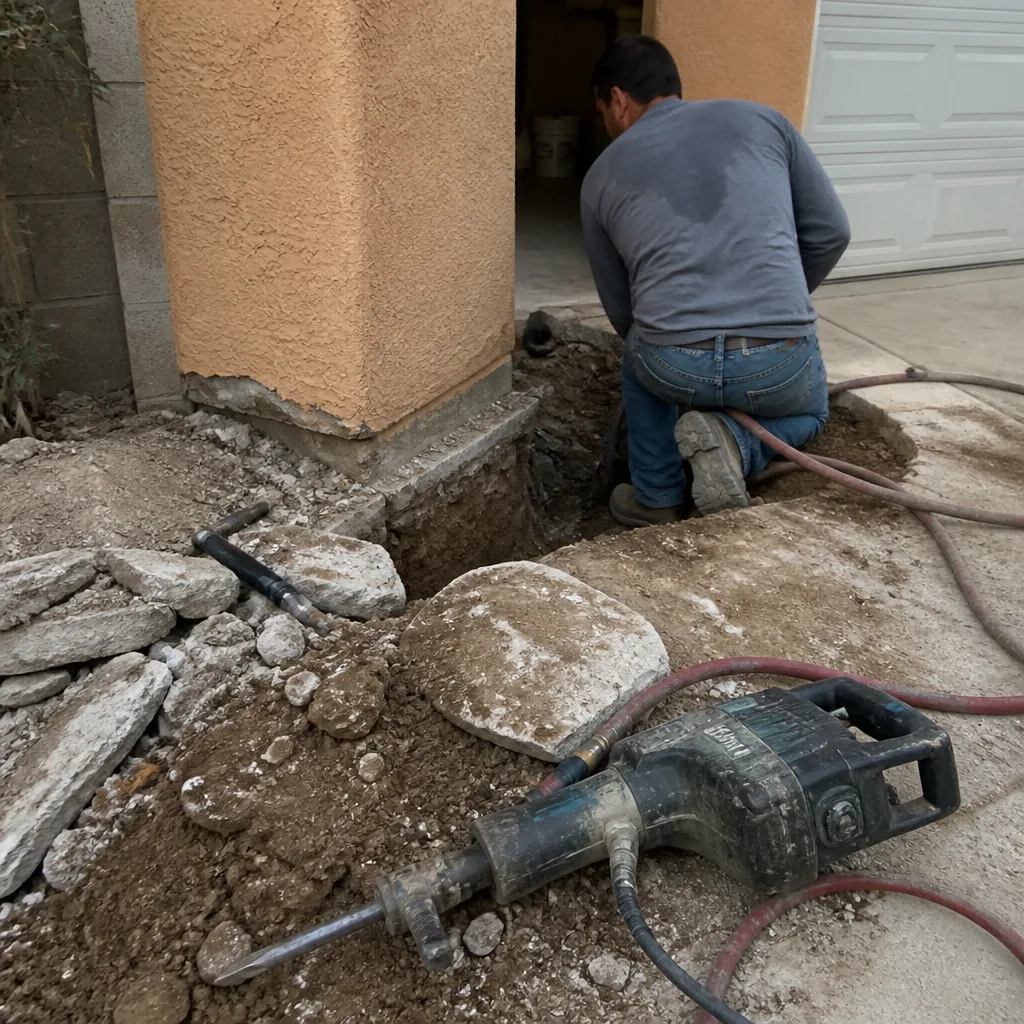 Before
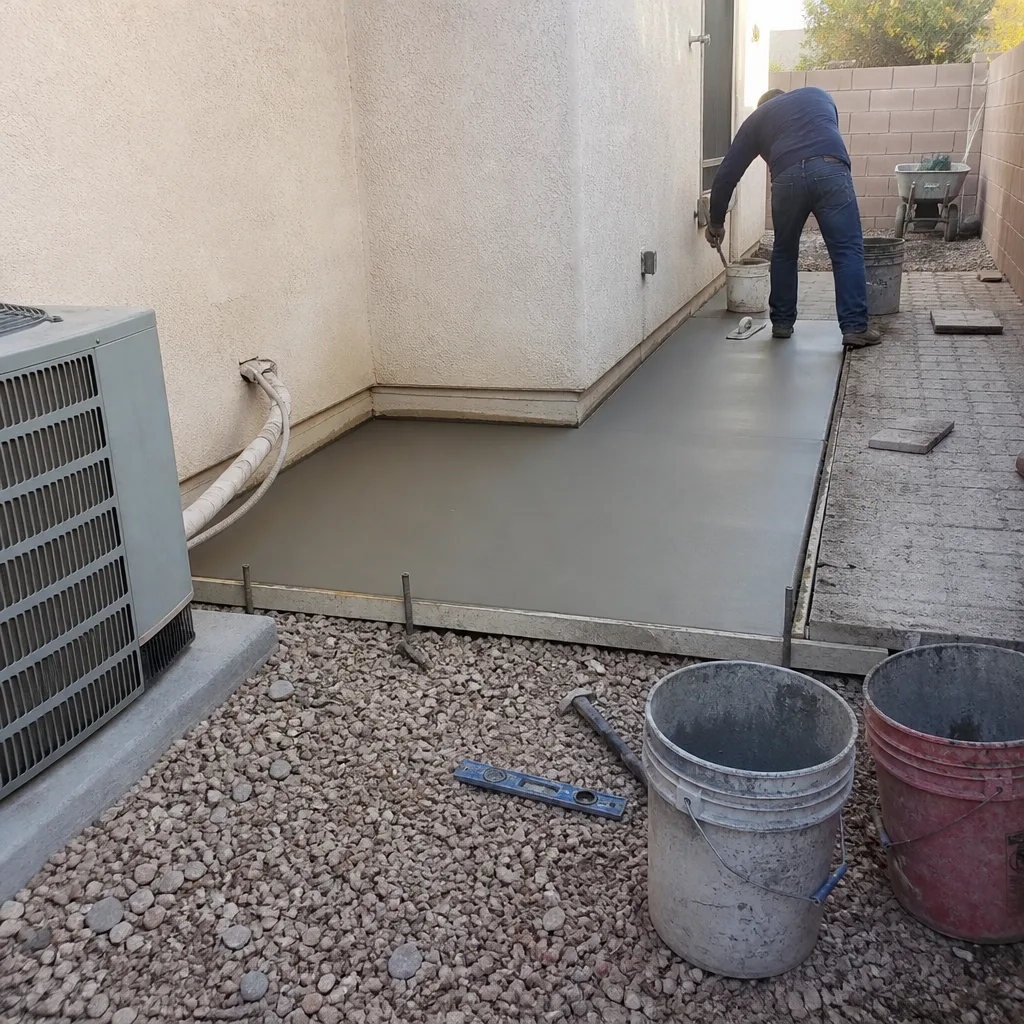 After
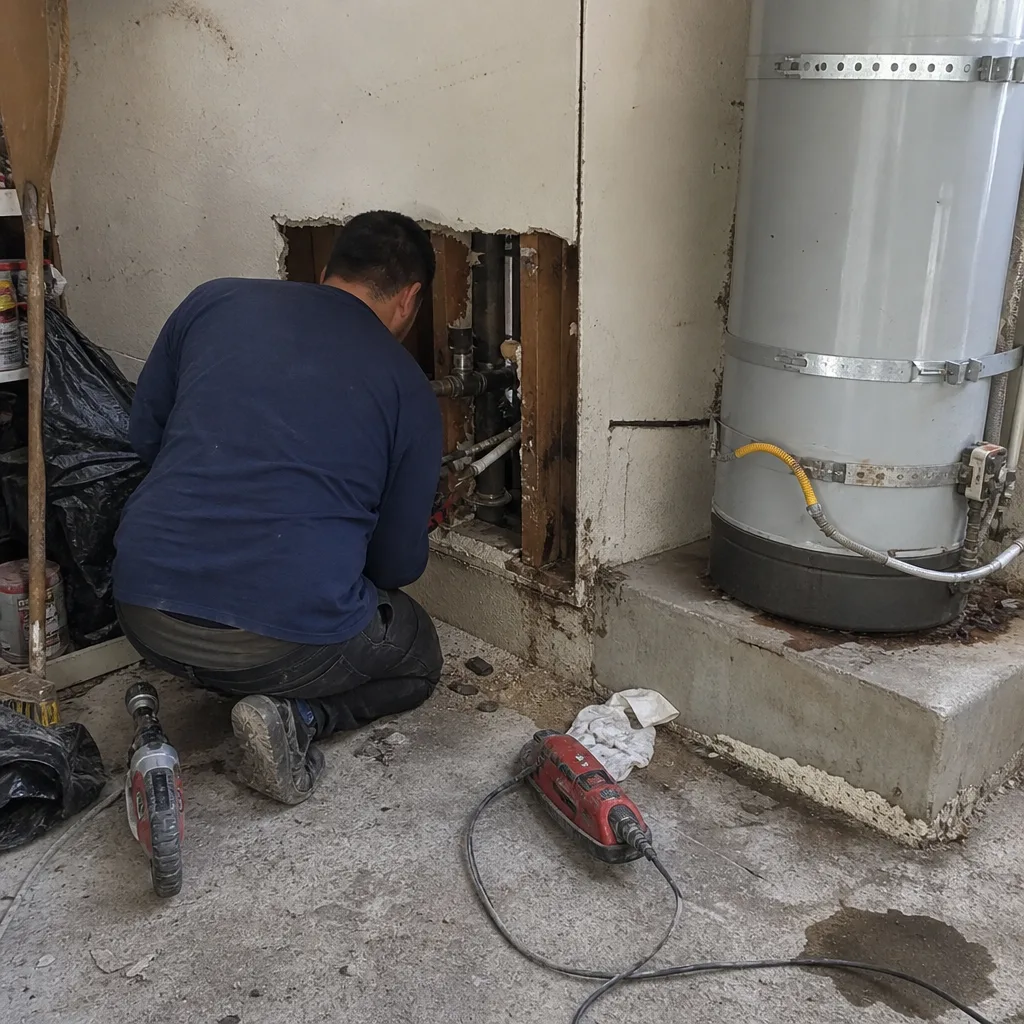 Before
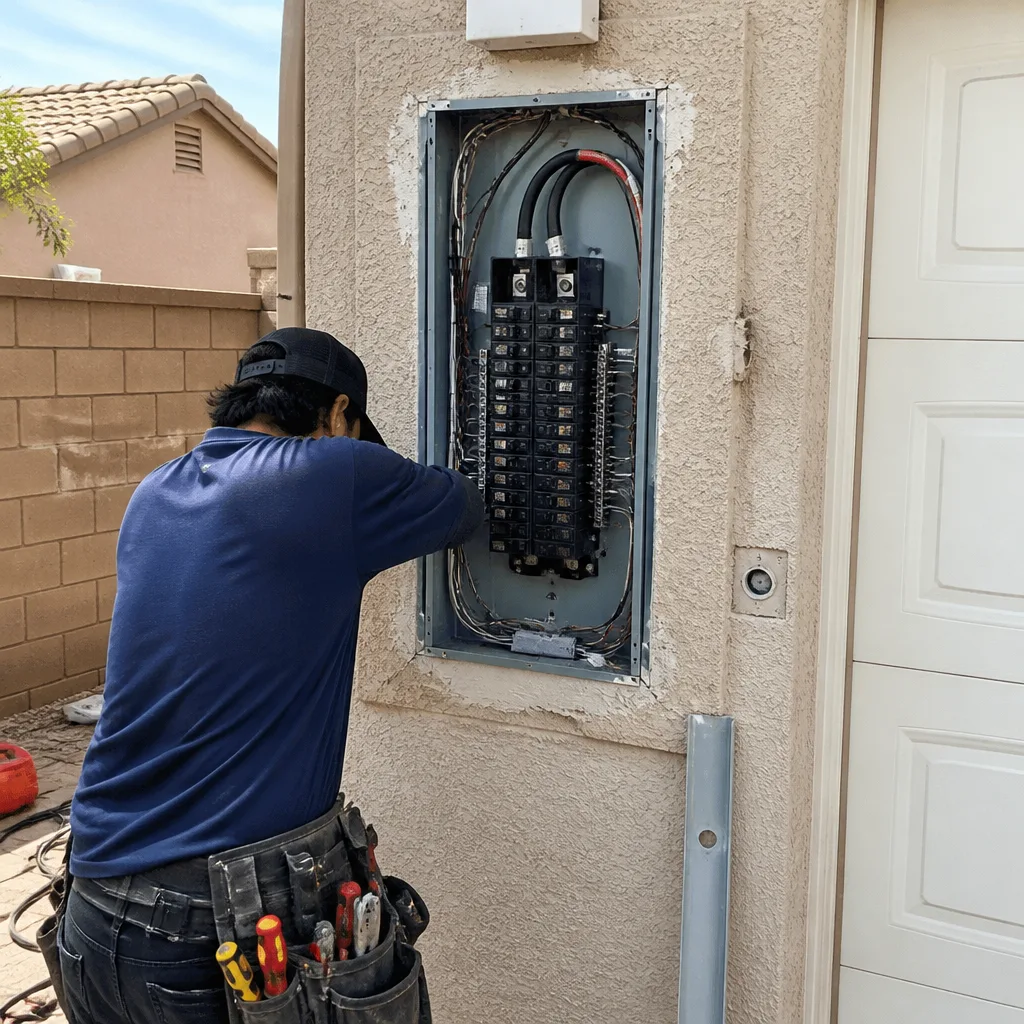 After
 Before
 After