
Last updated October 31, 2026
 Home additions & ADU
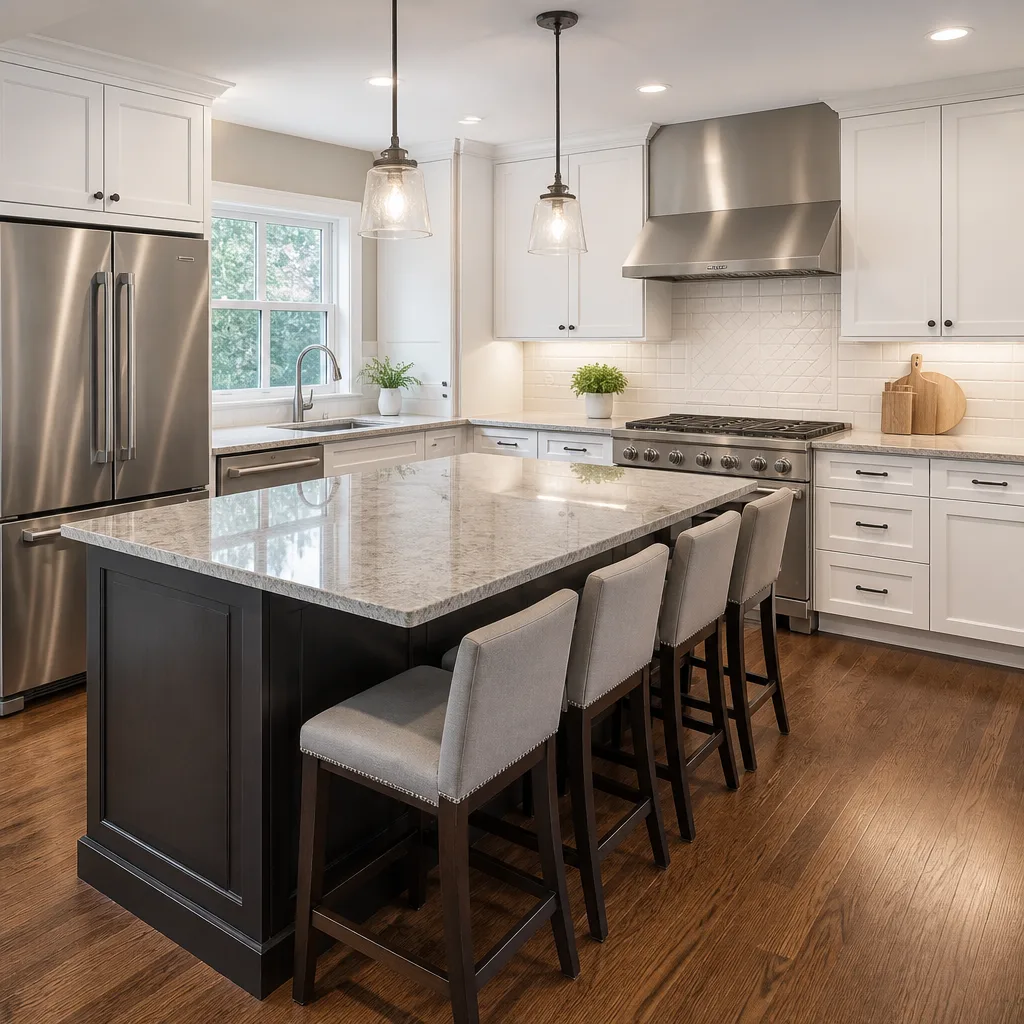 Kitchen remodeling
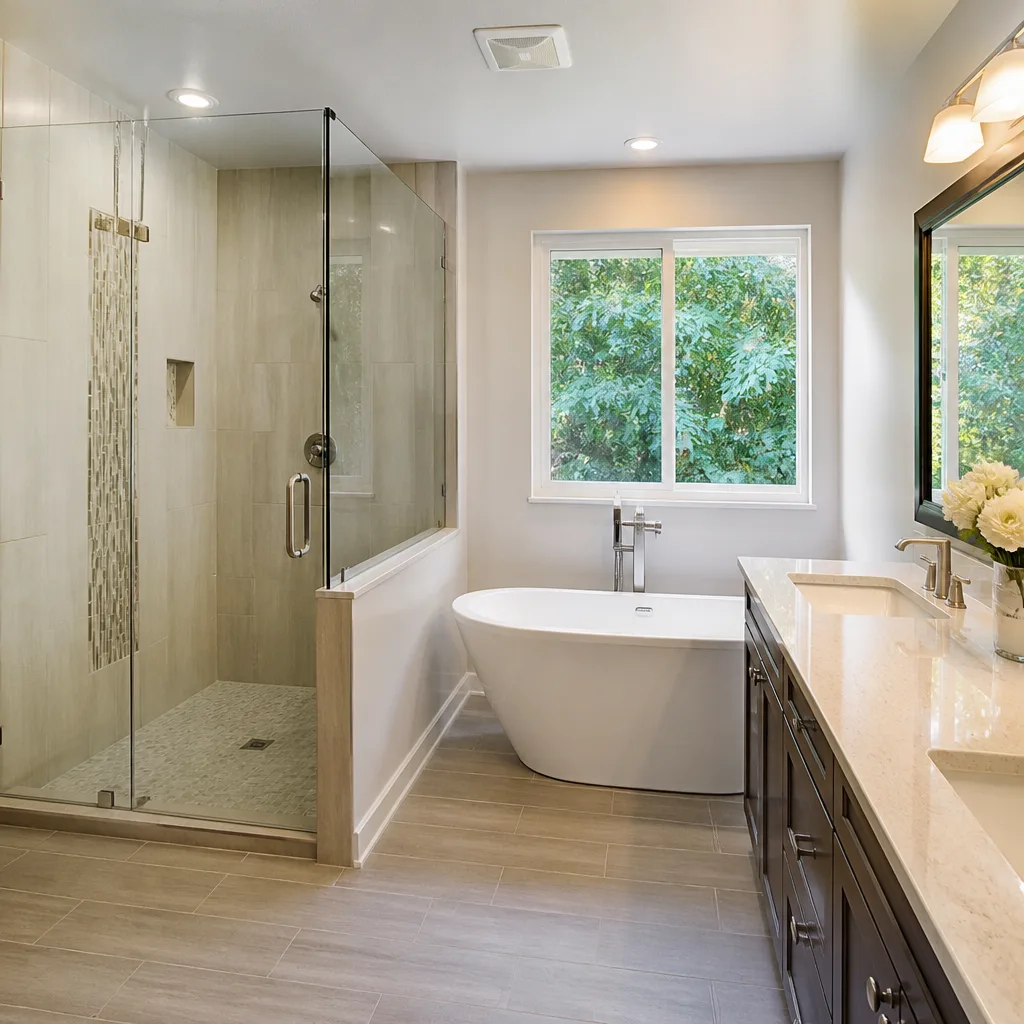 Bathroom remodeling
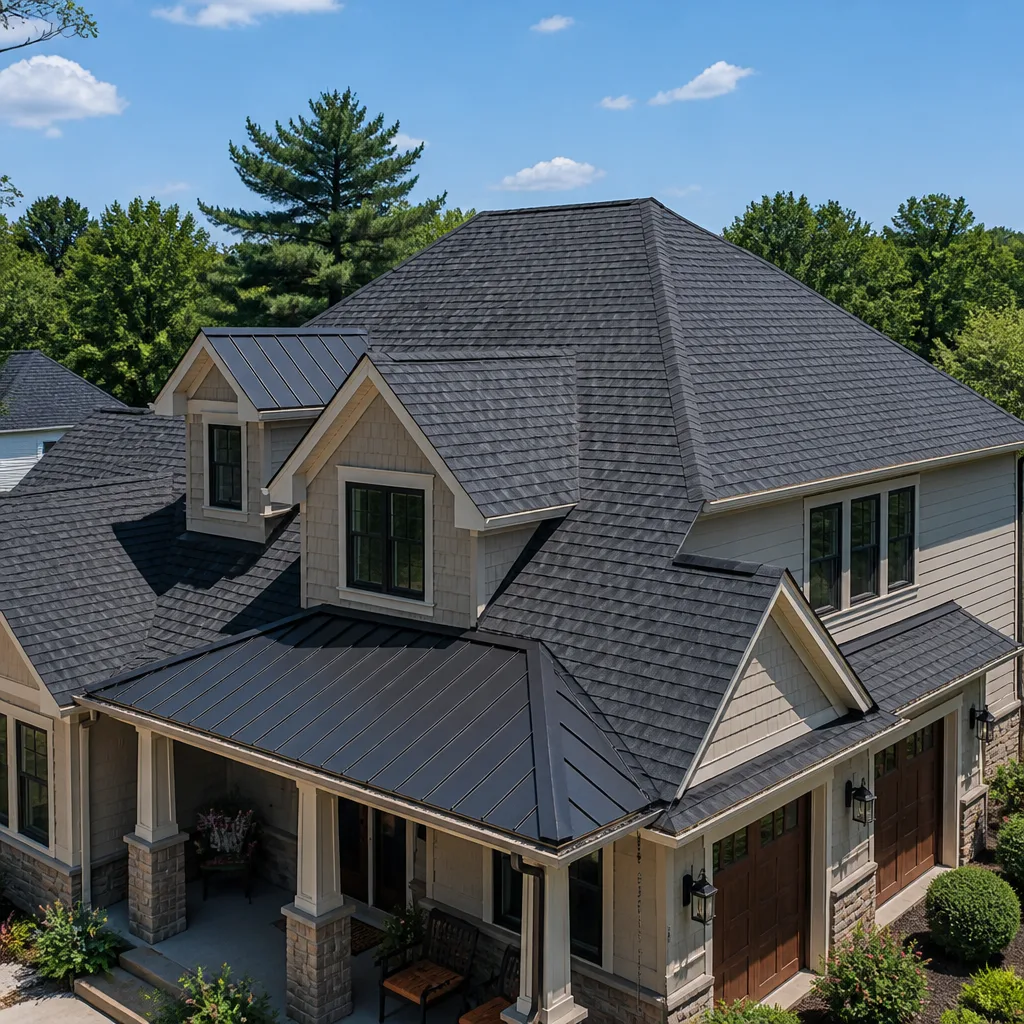 Roofing
 Windows & doors
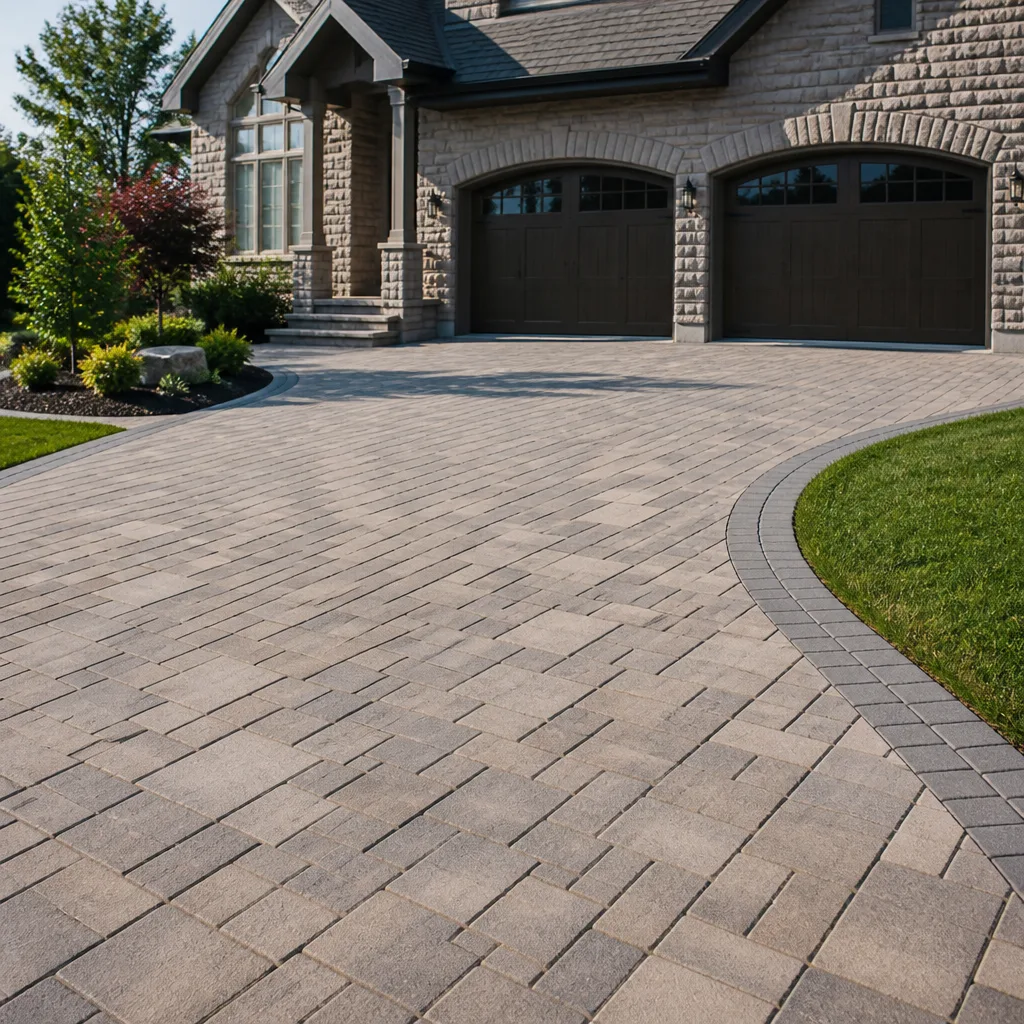 Driveway & pavers
 Fence
Free written scope consultation - allowances, timeline, and change-order rules on paper before a single trade is scheduled
Construction Warning Signs: A Henderson Homeowner’s Reference Guide
Henderson homeowners are conditioned to shrug off stucco cracks. The desert soil shifts, the sun bakes everything at 110 degrees, and hairline fissures appear on nearly every exterior wall in town within a few years of construction. But the instinct to ignore every crack is precisely what turns a $500 cosmetic fix into a $50,000 structural remediation. Diagonal cracks radiating from window and door corners tell a completely different story than surface checking, and paver movement that looks like normal settling is often the first visible symptom of a drainage failure undermining your foundation. This guide teaches you how to read the warning signs specific to Henderson’s climate, caliche soil, and predominant ranch-style housing stock so you know what to address now and what can safely wait.
Quick Answer
The most serious construction warning signs in Henderson are diagonal stucco cracks at door and window corners wider than 1/8 inch, paver edge creep with widening joints that indicate drainage failure on caliche soil, window seal fogging that appears years ahead of schedule due to extreme thermal cycling, and efflorescence on block walls signaling moisture intrusion from the exterior. Hairline surface cracks under 1/16 inch are almost always cosmetic thermal movement. If a crack changes width between seasons, grows longer than six inches, or appears alongside stuck doors or windows, call a qualified contractor for an evaluation—our General Contractor Troubleshooting: Common Problems and How to Fix Them explains what to expect.
Styles & brands we work with
Table of Contents
- Stucco Crack Taxonomy: Which Cracks Are Normal in Henderson, and Which Aren’t
- Paver and Hardscape Warning Signs on Caliche Soil
- Window and Door Frame Gaps in Extreme Heat
- Roofing Warning Signs After Monsoon Season
- Interior Warning Signs That Originate Outside
- Common Mistakes to Avoid
- When to Call a Professional
- Frequently Asked Questions
Stucco Crack Taxonomy: Which Cracks Are Normal in Henderson, and Which Aren’t
Stucco is the default exterior finish for the overwhelming majority of Henderson homes, and it cracks. That’s not a defect; it’s a material property. Cement-based stucco expands and contracts with temperature swings, and Henderson’s daily range of 30 degrees or more between high and low creates constant micro-movement. The skill in evaluating your home is separating the two broad categories of failure: those that originate in the stucco itself and those that originate in the structure behind it.
Cosmetic cracks (normal in Henderson):
- Hairline cracks under 1/16 inch wide that trace random patterns across large wall expanses. These are shrinkage cracks from the original curing process or thermal movement cycles.
- Cracks that appear at the same width year-round, regardless of season. If a crack doesn’t grow in summer or shrink in winter, it’s stable.
- Cracks that follow the seams of expansion joints. Expansion joints exist specifically to absorb thermal movement; cracking along them is the system working as designed.
Structural cracks (get an evaluation):
- Diagonal cracks radiating from the corners of windows and doors at roughly 45 degrees. In our experience on Henderson inspections, these are the single most common early indicator of foundation movement or framing deflection. Window and door openings are stress concentrators; when the foundation settles unevenly, the load path redirects through the weakest point, which is always the corner of an opening.
- Stair-step cracks that follow mortar joints in block or brick, especially on property walls and foundation-adjacent retaining structures. The crack zigzags because mortar is weaker than the masonry unit itself.
- Cracks wider than 1/8 inch. At this width, the crack is no longer just a surface phenomenon in the stucco; it is wide enough to admit water, and water penetrating the stucco envelope in Henderson’s occasional heavy monsoon rains accelerates deterioration behind the finish.
- Cracks that continue around a corner and reappear on an adjacent wall. This suggests the movement is continuous through the structure, not isolated to one plane.
One specific pattern we see repeatedly in Henderson neighborhoods like Green Valley and MacDonald Ranch, where homes sit on expansive clay soils, is a vertical crack at the outside corner of a garage door opening paired with a slight inward tilt of the garage slab. The clay soil expands when wet and contracts when dry; over years of wet-dry cycling, the slab edge loses support and drops. The crack is the symptom; the soil movement is the cause.
Paver and Hardscape Warning Signs on Caliche Soil
Henderson’s soil composition creates a paver failure mode that is different from what homeowners in other regions experience. Beneath much of the residential land in Henderson sits caliche – a hardened layer of calcium carbonate that forms naturally in arid environments. Caliche is extremely hard when dry, nearly impermeable to water, and expansive when it does absorb moisture. That combination means pavers installed directly on native caliche without proper base preparation behave unpredictably after monsoon rain events.
Three specific warning signs that indicate drainage failure rather than simple settling:
- Edge creep with widening joints. When the paver field itself drifts toward the perimeter and the border pavers begin to tilt slightly outward, the base layer underneath is saturated and failing. Gravity pulls water to the lowest point, and in Henderson’s flat lots, that’s often the paver edge. A paver field that was properly compacted over a drainage-ready base will not creep; individual pavers may settle slightly, but the field stays locked at the edges.
- Low spots that hold water for more than 20 minutes after rain. Henderson gets fewer than 5 inches of rain annually, but monsoon downpours can deliver an inch in an hour. If you see ponded water on pavers that hasn’t drained or evaporated within half an hour, the base beneath that low spot has likely eroded or compacted unevenly. In caliche-heavy areas, the water often pools at the interface between the compacted paver base and the hardpan underneath.
- Efflorescence blooming on the paver surface in specific patterns. The white, chalky deposit that appears on pavers is soluble salt carried upward by moisture. Random, uniform efflorescence is normal in a desert climate. Efflorescence that follows a specific line – a radius around a planter bed, a path from a downspout, a band along a retaining wall – is a moisture map. It tells you exactly where water is moving underneath the pavers.
If you see any combination of these three signs, the fix is rarely just replacing the affected pavers. The base drainage is compromised, and in Henderson, that usually means excavation to the caliche layer, installation of proper drainage, and recompaction in lifts. Patching the surface without addressing the subsurface simply moves the problem to the next rain event. For hardscape systems built with proper base preparation and drainage planning, these failures are largely preventable at the design stage.
Window and Door Frame Gaps in Extreme Heat
Henderson’s summer temperatures routinely exceed 105 degrees, and the direct sun exposure on south-facing and west-facing walls heats exterior surfaces to well over 160 degrees. Window and door frames – whether aluminum, vinyl, or engineered wood – expand measurably at these temperatures. The question homeowners need to answer is whether a visible gap between the frame and the stucco is normal thermal movement or evidence of framing problems behind the opening.
Normal thermal movement looks like this: a small, even gap (1/16 to 1/8 inch) between the window flange and the stucco that appears consistently around the entire perimeter of the frame. It may widen slightly during the hottest part of the day and close as evening temperatures fall. The caulk line may show slight compression or tension, but it remains adhered to both surfaces. This is the frame material and the stucco expanding at different rates – they were never going to move identically, and the caulk joint exists to absorb the differential.
Framing movement looks like this: a gap that is significantly wider at one corner of the opening than the others, a door that sticks only during certain months and releases fully in others, or a visible crack in the stucco at the header above the window or door. When the framing lumber behind the stucco has shifted – due to foundation settlement, moisture intrusion, or improper installation – the load path changes, and the opening binds. The gap at the frame edge is the visible clue; the real issue is behind the wall surface.
We’ve evaluated windows in Henderson where homeowners reported “the windows are warping in the heat.” In every case we can recall, the windows were not warping – the rough openings had moved. Vinyl window frames in particular get blamed for thermal distortion, but vinyl extrusions on energy-efficient windows from manufacturers like PGT and CGI are engineered to withstand far more thermal stress than Henderson can produce. If a window gap is uneven, widening over time, or paired with a door that rubs, the structure is the suspect, not the window unit.
Roofing Warning Signs After Monsoon Season
Henderson’s monsoon season runs from July through September, and it delivers the vast majority of the year’s rainfall in short, intense bursts. Flat and low-slope roofs – extremely common on the ranch-style and mid-century housing stock that dominates Henderson’s older neighborhoods – are particularly vulnerable because water that doesn’t drain quickly pools and seeks every seam, lap, and penetration in the membrane.
What to check after every monsoon season:
- Blisters or bubbles in the roof membrane. Flat roof membranes can blister when trapped moisture heats up and vaporizes. A blister is a sign of water intrusion from a previous storm, not a future one – the moisture is already in the system.
- Flashing separation at roof penetrations. Roof vents, plumbing stacks, HVAC penetrations, and skylight curbs are the failure points on every flat roof in Henderson. Check for lifted flashing, cracked sealant, and rust staining running down from the penetration.
- Granule loss on tile or shingle roofs. Henderson’s wind storms can strip granules from asphalt shingles, and once the protective granule layer thins, the asphalt underneath bakes in the summer sun and degrades rapidly. If you see granules collecting in gutters or at downspout bases after a storm, the roof is aging faster than its calendar age suggests.
- Interior ceiling stains that appear weeks after a storm. Water moves slowly through insulation and drywall. A dark spot on a ceiling that appears in September may trace back to a July monsoon event. The path of the water rarely aligns with the location of the roof failure – water often travels along a rafter or the top chord of a truss before dropping.
The roofing systems we install on Henderson homes use manufacturers like GAF, CertainTeed, and Owens Corning specifically for their performance in high-UV, high-heat environments. A roof that is underspecified for Henderson’s sun exposure will fail in ways that a correctly specified roof will not. If you’re evaluating warning signs, know what roofing system was installed and whether it was rated for the desert climate—see our General Contractor Maintenance Checklist for Henderson Homeowners for a full inspection schedule.
Interior Warning Signs That Originate Outside
Some of the most useful construction warning signs in Henderson are visible inside your home but have their root cause in the exterior envelope. A homeowner who only looks at the outside walls is missing half the diagnostic picture.
Efflorescence on interior block walls. If you have a block wall in your garage, on an interior partition, or on a stem wall under a raised floor, white powdery deposits are a direct signal that water is moving from the exterior into the wall cavity. Efflorescence on interior surfaces in Henderson is never caused by indoor humidity alone – the desert air is too dry. The moisture has a source, and that source is usually an exterior drainage problem, a failed stucco joint, or irrigation overspray saturating the wall from outside.
Cabinet door racking. When kitchen or bathroom cabinet doors begin to twist out of alignment, the first assumption is often that the hinges are worn or the cabinet was installed poorly. In many Henderson homes, the actual cause is floor movement. A slab that has shifted slightly changes the plane of the floor, which telegraphs through the base cabinets, and the hinge adjustment that used to hold now doesn’t. If you’ve adjusted the same hinge twice in a year, check the floor level before replacing the cabinet. Cabinet lines like KraftMaid and Wellborn build doors that stay true; the problem is rarely the door itself when the adjustment won’t hold.
Floor tile grout cracking in a linear pattern. Tile grout cracks when the substrate moves. A single crack running in a relatively straight line across a tile floor often follows a structural joint in the slab below. In Henderson’s slab-on-grade construction, the concrete moves with soil moisture changes, and the tile is rigid. The grout crack is a pressure relief. If the crack follows a path that aligns with an exterior wall interruption or appears simultaneously on both sides of a doorway, the slab is moving. The grout didn’t fail; it’s reporting a condition.
These interior symptoms are worth correlating with what you see outside. An interior grout crack aligned with an exterior stucco crack on the same wall plane is no longer two small problems – it’s one continuous movement issue running through the structure. At that point, we recommend a full evaluation from a contractor who sees the whole assembly, not just the finish surface.
Common Mistakes to Avoid
- Filling structural cracks with caulk and calling it fixed. Caulk will close the visual gap but does nothing to address the movement that caused it. In Henderson’s climate, the caulk will simply separate again within a season, and the underlying issue will have progressed during the delay.
- Repaving over failed paver base. Pulling up settled pavers and reinstalling them on the existing base material without addressing drainage will fail again, usually within the same monsoon cycle. The base is the system; the pavers are just the surface.
- Assuming window fogging is merely cosmetic. A fogged thermal pane has lost its insulating gas fill and its seal is compromised. In Henderson’s heat, a failed seal means the window’s energy performance drops sharply. It’s not just cloudy glass – it’s a functional failure with real cooling-cost consequences.
- Ignoring small exterior cracks because “all Henderson homes have them.” They do all have them – but only some of them matter. The diagnostic skill is distinguishing which ones warrant attention. If you’re not sure, an evaluation costs less than a foundation repair.
- Painting over efflorescence without finding the water source. Paint will not stop efflorescence; it will push through within months. The only permanent solution is eliminating the moisture migration, which requires identifying where the water enters the wall system.
- Waiting until a problem is “bad enough to fix.” In construction, small problems compound. A crack that’s a $500 repair this year is a $10,000 repair in three years if water has been getting into the wall cavity the whole time.
When to Call a Professional
Call a contractor when you see diagonal cracks at window and door corners that exceed 1/8 inch in width, when paver edge creep is visible without close inspection, when a door begins sticking for reasons you didn’t previously experience, when efflorescence appears on interior walls, or when any crack exhibits seasonal growth patterns. The common thread in all of these is movement, and movement is the one thing a homeowner cannot evaluate without opening the wall and seeing the structure underneath. In our work across Henderson – as a full-scope general contractor serving Henderson – we see more damage from delayed evaluation than from any other single cause. Slatestone Contractors offers free estimates in Henderson; call (833) 734-5541 to schedule a walkthrough of your property. Slatestone Contractors home evaluations start with the whole assembly, not the single symptom, because the exterior and interior of a Henderson home are one continuous system.
Frequently Asked Questions
A stucco crack is serious if it runs diagonally from a window or door corner, measures wider than 1/8 inch, continues around a wall corner, or grows visibly between seasons. Hairline cracks under 1/16 inch that stay the same size year-round are normal thermal movement and rarely indicate structural problems. If you’re unsure, call (833) 734-5541 for an evaluation.
Henderson’s caliche soil layer acts as a hardpan that prevents water from draining vertically, forcing it to move laterally through the paver base and causing erosion, edge creep, and low spots. Proper paver installation in Henderson requires drainage engineering that accounts for the caliche layer, not just standard compaction.
Fogged windows are almost never a sign of structural movement. Seal failure in the insulated glass unit occurs when the thermal cycling of Henderson’s extreme heat degrades the sealant at the glass edge. It’s a window unit failure, not a framing failure. If fogging is paired with a door that sticks or a crack over the window header, then framing evaluation is warranted.
After a Henderson monsoon, check for membrane blisters on flat roofs, lifted flashing at roof penetrations, granule loss on shingle roofs, and interior ceiling stains that appear weeks after the storm. Any of these indicate water found a path through the roofing system, and monsoon-season failures compound year over year if left unaddressed.
No, efflorescence on interior block walls cannot be permanently painted over. The white deposits are salt crystals carried by moisture moving through the wall, and the moisture source is always exterior in Henderson’s dry climate. Eliminate the water intrusion first, then address the cosmetic surface.
Most structural evaluations in Henderson run between $250 and $500 for a visual assessment with a written report, though many contractors include the evaluation cost in the repair scope if you proceed with the work—read our DIY vs Professional Construction: The Henderson Homeowner’s Decision Guide to decide when expert help is warranted. Slatestone Contractors offers free evaluation walkthroughs in Henderson – call (833) 734-5541 to schedule one.
The Bottom Line
Henderson’s climate and soil create construction warning signs that are easy to misread if you apply generic homeowner advice from wetter, greener parts of the country. The cracks that matter here are diagonal, the paver failures are drainage-driven, and the window gaps are more likely structural than thermal when they appear uneven. Learn to read the specific patterns this desert produces, and act on them while the fixes are measured in hundreds of dollars rather than tens of thousands—explore more guides & resources on Henderson home care. Slatestone Contractors – with 50+ brand partners from roofing and windows to cabinetry and hardscaping – evaluates the whole home as one system, from the roof to the pavers, because that’s how Henderson homes actually work. Call (833) 734-5541 for a free estimate on your project.
Written by the team at Slatestone Contractors, serving Henderson since 2018.
See the difference
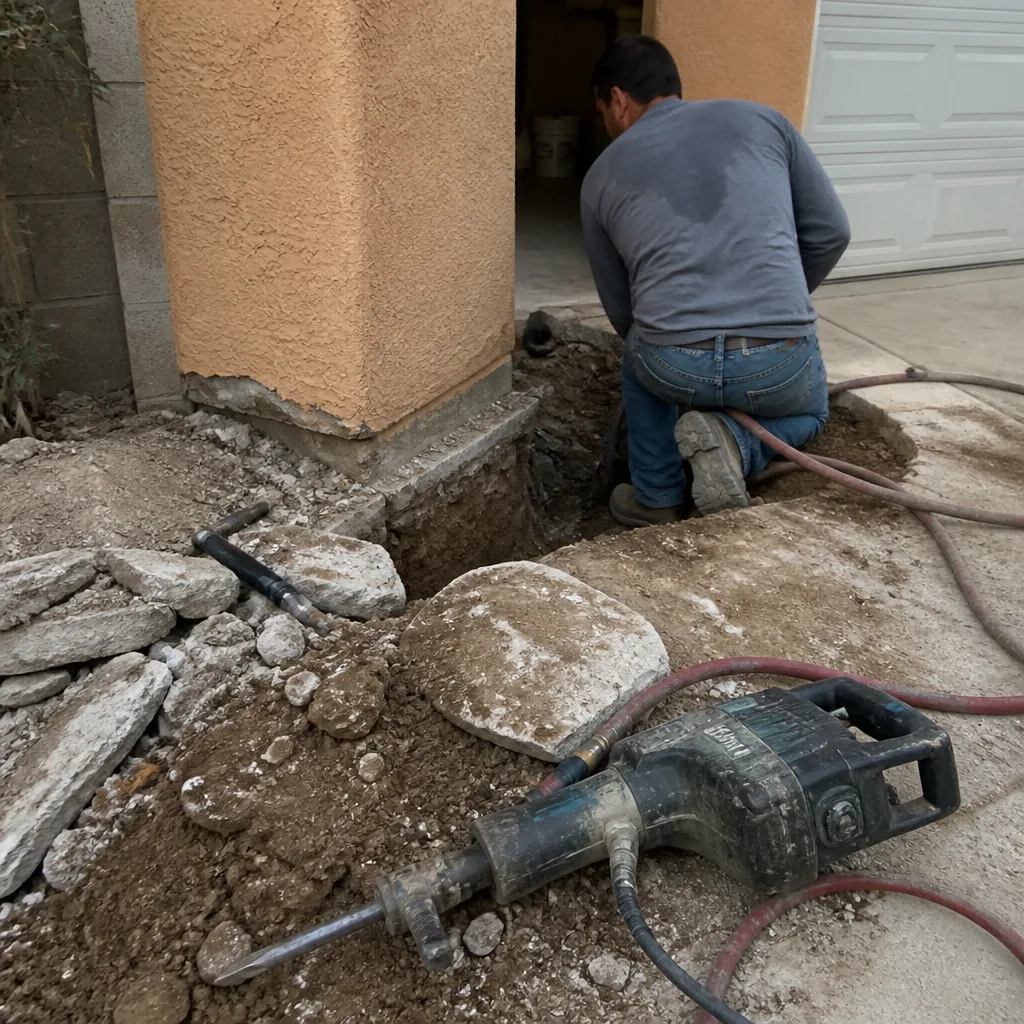 Before
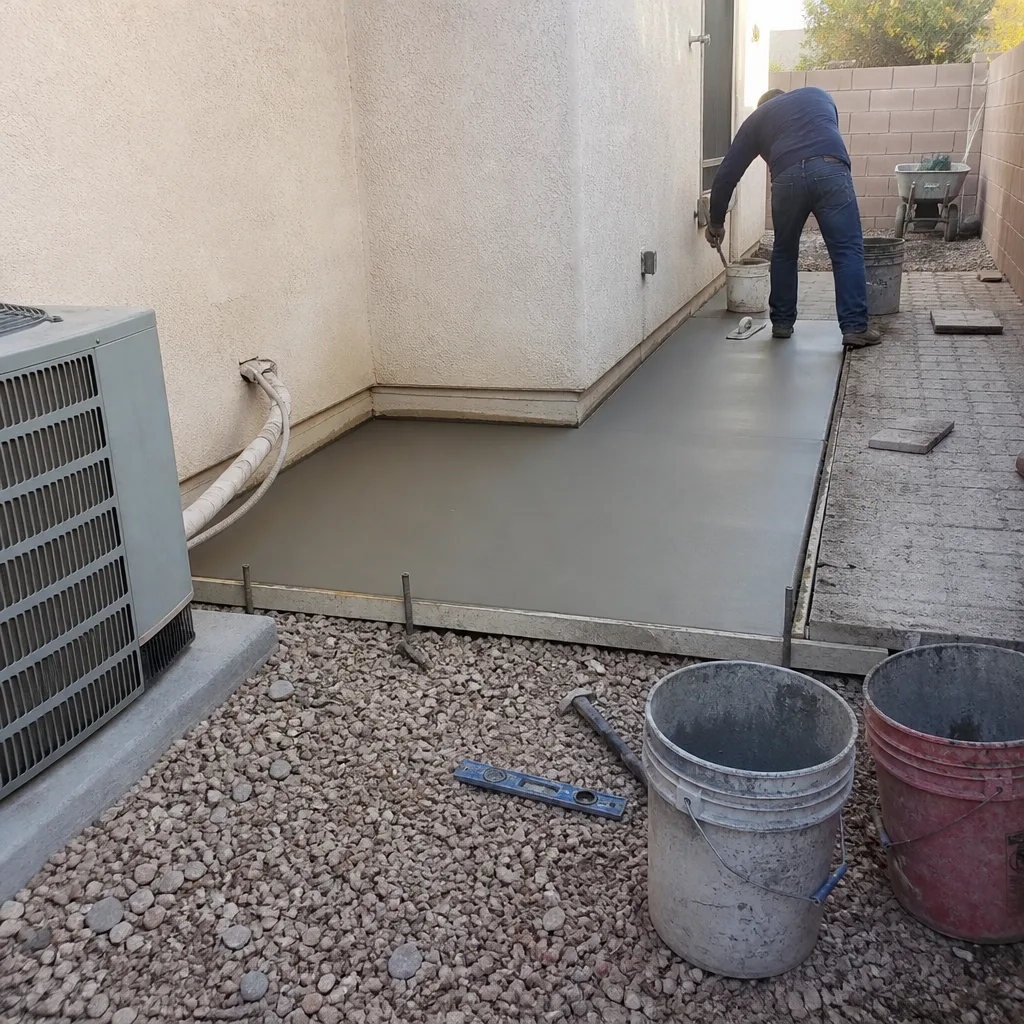 After
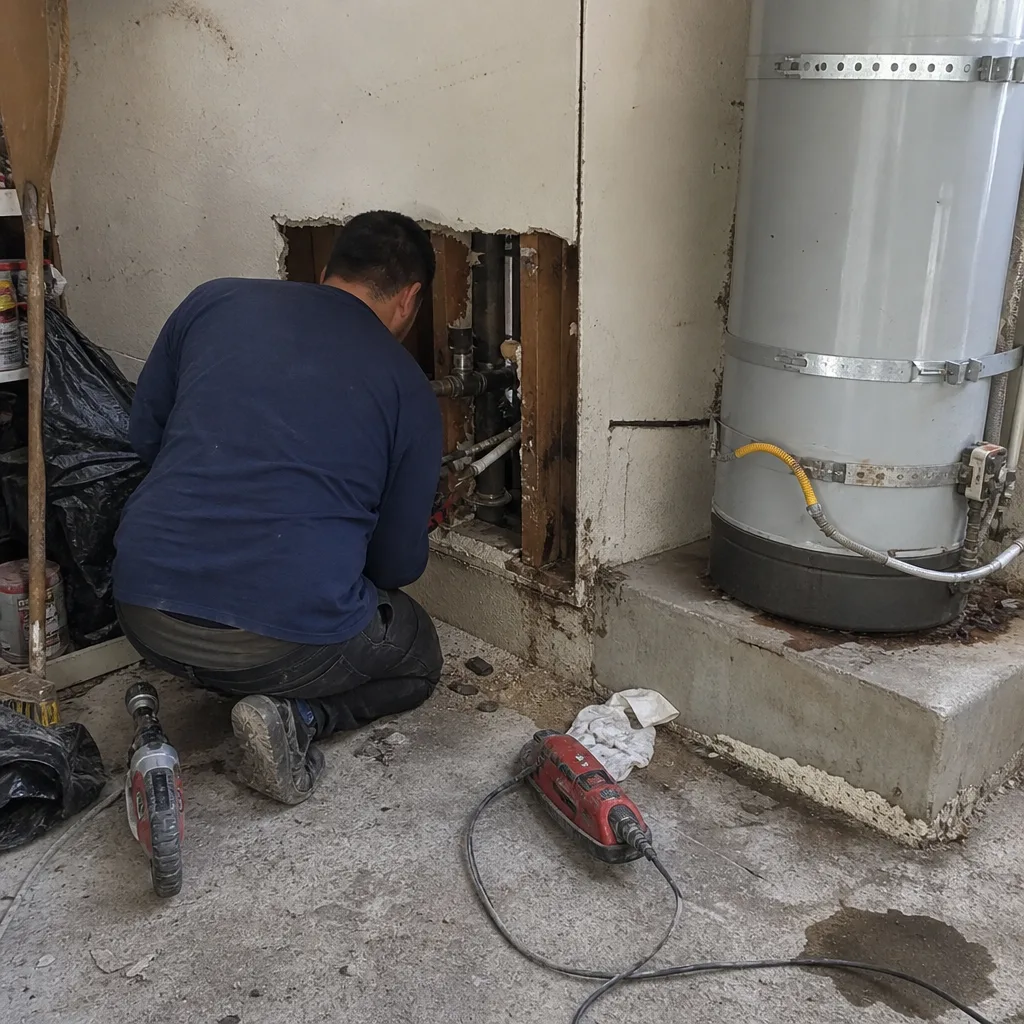 Before
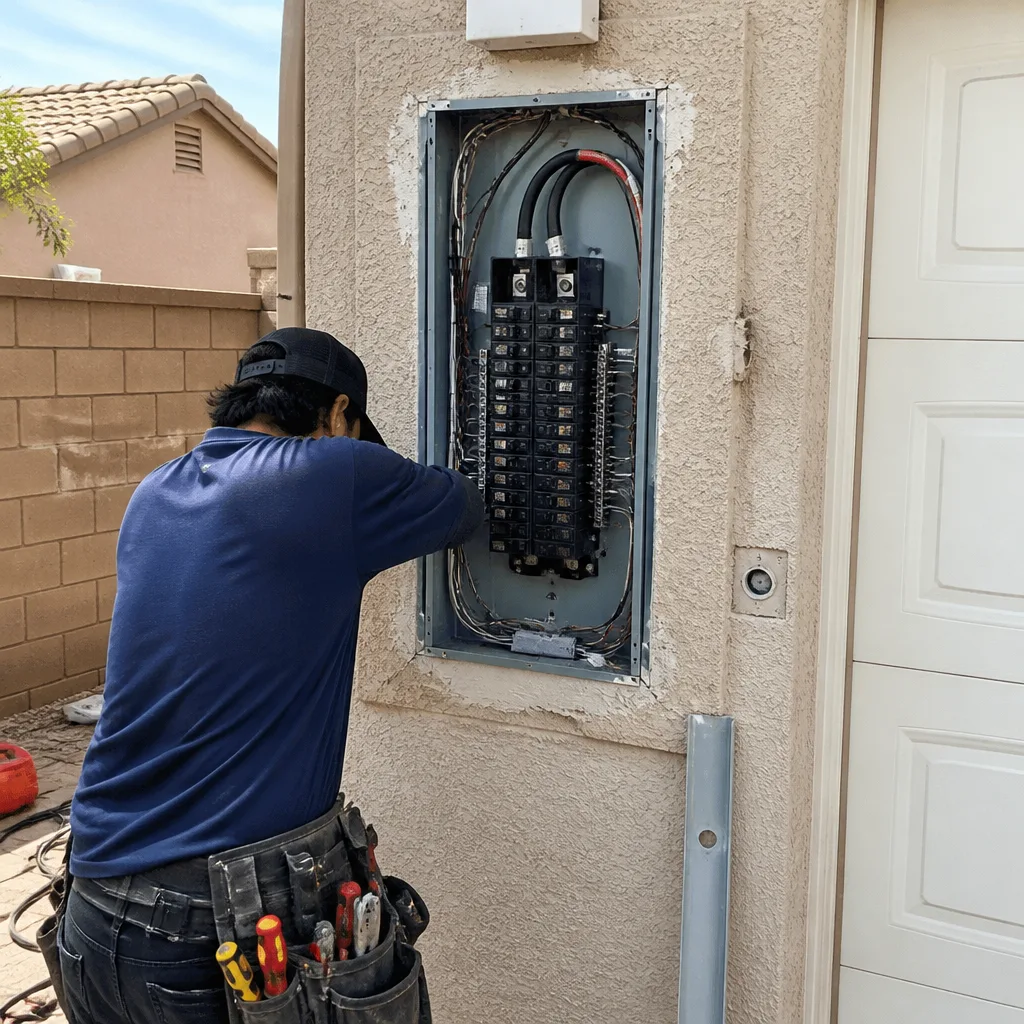 After
 Before
 After