
Last updated October 31, 2026
 Kitchen remodeling
 Bathroom remodeling
 Home additions & ADU
 Roofing
 Windows & doors
 Driveway & pavers
 Fence
Free written scope consultation - allowances, timeline, and change-order rules on paper before a single trade is scheduled
General Contractor Troubleshooting: Common Problems and How to Fix Them
Here’s the counterintuitive reality after years of building and remodeling in Henderson: most renovation problems are not caused by bad workmanship. They’re caused by broken handoffs. A roofer finishes his scope, a window crew frames over his flashing, and six months later water finds the seam nobody owned. In our experience across Henderson’s newer guard-gated communities and older established neighborhoods alike, the pattern repeats: the problem lives at the transition point between trades, not inside any single trade’s work. This guide walks through the most common mid-project failures, how to spot them early, and how to fix them without starting a war with your contractor. For more guides & resources, see our blog.
Quick Answer
Most general contractor problems trace back to unclear scope ownership at trade transitions, poor schedule sequencing, undocumented change orders, or unannounced material substitutions. The fix is almost always the same: put one person in charge of the whole scope under a single contract, document every change in writing, and nail down material specifications before work begins. When one contractor owns every handoff, the problems that typically appear between trades never get a chance to form.
Styles & brands we work with
Table of Contents
- The Transition Gap: Why Problems Happen Between Trades
- How to Read a Project Schedule for Warning Signs
- Change Order Disputes: Nevada Law and Your Contract
- Material Substitution Red Flags: Upgrade or Margin Play?
- Punch List Creep: The Right Leverage Point
- Sequencing Errors That Cascade Into Weeks of Delay
- When Communication Breakdowns Become Project Killers
- Warranty Gaps: Who Actually Stands Behind the Work?
The Transition Gap: Why Problems Happen Between Trades
The single most common source of renovation failure in Henderson is what we call the transition gap. It happens when two trades meet at a physical seam and neither one has clear authority over that seam. Roofing meets window flashing. Plumbing rough-in meets cabinetry. Exterior stucco meets door frames. Every one of these junctions requires someone to make a decision about how the materials integrate, and when no single party owns that decision, it gets made poorly or not at all.
A countertop that cracks six months after install is a textbook case. The stone fabricator sets a slab on cabinets that are slightly out of level. The fabricator notices but has no contract language that lets him flag the cabinet work. The cabinet installer finished his scope and moved on. The homeowner sees a cracked countertop and blames the fabricator. The real issue was a cabinet tolerance problem that nobody owned.
In Henderson, where summer temperatures regularly exceed 110 degrees, transition gaps become especially consequential. Exterior materials expand and contract aggressively. A roof-to-wall flashing detail that works in a temperate climate will fail here if the metal was not specified for our thermal swing. We see this constantly in homes built during the 1990s boom, when crews moved fast and flashing details often got skipped entirely.
How to fix it:
- Make one contract cover the whole assembly. When roofing, windows, and stucco fall under one general contractor, that contractor owns the flashing detail at every transition. There’s no gap to fall into.
- Ask who owns the seam. Before you sign anything, ask your contractor: “Who is responsible for the flashing where the roof meets the new window?” If the answer is two different subs, you’ve identified a transition gap.
- Require written integration details. A professional GC should be able to produce a written scope that describes how each trade hands off to the next. If that document doesn’t exist, the handoff is being improvised.
We’ve built our entire operating model around closing these gaps. Running general contractor work in Henderson means managing more than 50 brand partners across every major home system, from GAF roofing to James Hardie siding to Cambria countertops. When one company specifies the roofing, the windows, the cabinetry, and the countertops, the seams between them are designed, not discovered.
How to Read a Project Schedule for Warning Signs
Most homeowners receive a project schedule and never look at it again until something runs late. That’s a mistake, because schedules reveal problems weeks before they show up on the jobsite. You don’t need construction experience to spot the warning signs. You need to know what float time and milestone dependencies look like on paper, because when those things are missing or wrong, delays are already baked in.
Float time is the slack built into a schedule between trades. A healthy schedule has small buffers between major phases: a day or two between drywall and paint, a few days between cabinet install and countertop templating. When a schedule shows trades starting the same day the previous trade finishes, with zero buffer, that’s a red flag. Real construction never goes exactly to plan, and a schedule with no float is a schedule that will slip.
Milestone dependencies are the “this before that” relationships that cannot be reversed. Countertops cannot be templated before cabinets are set. Flooring cannot be installed before the slab moisture test passes. Paint cannot finish before drywall texture is fully cured. When a schedule violates one of these dependencies, an entire sequence has to be undone and redone, and that costs weeks, not days.
Here are four schedule warning signs we teach every client to look for:
- Milestones with no completion dates. If the schedule says “roofing: week 3” but doesn’t say when roofing is done, there’s no way to hold anyone accountable for finishing it.
- No inspection points. In Henderson, every project has city inspections at specific milestones. If those aren’t on the schedule, the permits may not be either.
- Overlapping trades in the same space. Two crews in the same room at the same time is sometimes necessary, but when the schedule shows it for extended stretches, that’s usually a sign the GC is compressing time he lost earlier.
- Sequencing in the wrong order. Windows installed after stucco. Exterior paint scheduled before a roof repair. These are dependency inversions that will require rework.
Reading a schedule correctly matters because in Henderson’s construction market, the best crews book out weeks in advance. If a schedule slips two weeks, the tile installer is now gone to another job, and you wait another month. A general contractor running home remodeling work in Henderson should be able to explain every dependency on the schedule and tell you exactly what happens if any single milestone moves.
Change Order Disputes: Nevada Law and Your Contract
Change orders are where renovation relationships go to die. The homeowner says “the contractor changed my scope and now wants more money.” The contractor says “the homeowner added work and now won’t pay for it.” In Nevada, the law leans heavily on one question: was the change documented and approved in writing before the work happened?
Nevada Revised Statutes Chapter 624 governs contractor conduct. It requires that all changes to a residential construction contract be in writing and signed by both parties before the work is performed. Verbal agreements are enforceable in theory, but in practice, a verbal change order is the first step toward a dispute. If it didn’t get written down, it didn’t happen.
What should your contract say about change orders? Three things at minimum:
- A defined process. Who can authorize a change? What form does the authorization take? How quickly must the GC present the cost before starting work?
- A cost threshold. Many good contracts say any change over $500 requires a written cost proposal and homeowner signature before work starts. Anything under that can be handled with a written note that gets formalized within a set number of days.
- A “no free changes” clause. If you want a different faucet after the plumbing is roughed in, that’s a change order. If you decide to move a wall after framing, that’s a change order. The contract should say so plainly.
Documenting verbal approvals is straightforward once you commit to it. After any conversation where you agree to a change, send a one-line email or text: “Confirming we agreed to add the pot filler at the kitchen sink for $650 as discussed today.” If the contractor doesn’t respond, that’s a warning sign. If he responds “that’s not what we agreed to,” you’ve surfaced the dispute early, when it’s cheap to resolve.
Henderson homeowners have additional protection through the Nevada State Contractors Board, which maintains a recovery fund for consumers harmed by contractor violations. Filing a complaint won’t fix a mid-project dispute, but knowing the Board exists changes the power dynamic. A licensed contractor who knows you understand your rights under Nevada law will negotiate differently than one who thinks you’re uninformed.
Material Substitution Red Flags: Upgrade or Margin Play?
At some point in almost every lengthy renovation, a contractor will say some version of: “The material you specified is backordered, but I can get X instead, and it’s just as good.” Sometimes that’s true. Sometimes X is a legitimate upgrade. And sometimes it’s a margin play: the contractor found a cheaper product that he’s now billing at the original spec price.
How do you tell the difference? Start by knowing exactly what was specified. If your contract says “porcelain tile, 12×24, Daltile from the Marazzi collection” and the contractor arrives with a no-name tile that’s “basically the same thing,” that’s not a substitution conversation. That’s a contract violation. If the contract is vague (“porcelain tile, color to be selected”), you left the door open, and the contractor walking through it is not the problem.
Legitimate substitution reasons include:
- The specified product was discontinued by the manufacturer.
- Lead time pushes the schedule months, and a comparable product is available now.
- The specified product is not actually suited to your application, and a better-suited option exists at a similar price.
Red flags include:
- The substitution appears with no written change order and no price adjustment.
- The “comparable” product is from a brand with no local distribution and no warranty support in Nevada.
- The substitution happens quietly, in the middle of an inspection, rather than in a conversation where you’re given options.
This is where brand specification matters. We’ve built our material portfolio around brands that hold specification against substitution pressure: Cambria, Caesarstone, and Silestone for quartz surfaces; Therma-Tru for exterior doors; GAF, CertainTeed, and Owens Corning for roofing. These brands have warranty structures that only activate when installation follows manufacturer specs. A contractor who substitutes away from them is also substituting away from warranty coverage.
Your defense is simple: before work starts, get a written finish schedule that lists every material by brand, product line, and color or finish. If a substitution happens, it happens against that document, in writing, with your approval. Anything less, and you’re gambling.
Punch List Creep: The Right Leverage Point
Punch list creep is what happens when a project is technically “done” but the final 5% keeps expanding. You flag a crooked cabinet door. You notice paint overspray on the new windows. You find a grout line that’s cracked. And every time you flag something, the contractor says “we’ll get that on the final walkthrough.” Then final walkthrough comes, and the list is 40 items long, and the contractor is suddenly hard to reach.
The right leverage point is always money. In Nevada, a contractor cannot demand final payment while legitimate punch list items remain unresolved. Your contract should specify a retainage: a portion of the total contract value, typically 5-10%, held back until the punch list is complete. Most professional GCs expect this and plan for it. A contractor who pushes back on retainage is telling you something important.
How to manage the punch list so it doesn’t become a standoff:
- Create the running list during the project, not at the end. The moment you notice an issue, photograph it, date-stamp it, and add it to a written list. Share that list with the contractor weekly. Do not wait for a formal walkthrough.
- Separate “cosmetic” from “functional.” A paint touch-up and a leaking window are not the same severity. Insist that functional items be fixed before any soft goods like final cleaning are even discussed.
- Walk through with both the GC and the sub present. If the crooked cabinet door belongs to the cabinet installer, let him hear the correction from you and the GC at the same time. This closes the telephony gap.
- Release retainage in tiers. You don’t have to hold 100% of the retainage until every last item is done. Release 50% when the functional items are fixed, and the rest when the list is fully complete. This keeps momentum.
In Henderson, where many homeowners do significant home renovation work in Henderson, punch list disputes tend to cluster around exterior items: stucco texture mismatches, hardscape settling, gate alignment. These are exactly the items that reveal transition gaps: the stucco texture looks different because two different crews worked the wall on different days, and the gate sags because the fence post was set before the concrete had cured. A single-contract GC owns those failures. A multi-contractor project argues about them.
Sequencing Errors That Cascade Into Weeks of Delay
Sequencing errors are the hidden tax on renovation projects. They rarely show up as a dramatic failure. They show up as a slow bleed: a trade shows up and can’t work because the previous trade isn’t actually done, or a material gets installed before the substrate is ready, and now it has to be pulled out and redone. Every one of these episodes costs days, and they compound.
Here are the sequencing errors we see most often in Henderson:
- Drywall hung before the rough-in inspections pass. The inspector needs to see the plumbing and electrical in the walls. If the walls are closed up, that inspection can’t happen, and everything has to be opened back up. Weeks lost.
- Countertops templated before cabinets are shimmed and leveled. The template captures the current state of the cabinets. If those cabinets get adjusted after templating, the slab won’t fit. The fix is a new slab, and the lead time on a custom slab from Cambria or Silestone is not short.
- Exterior paint or stucco applied before roofing is fully flashed. The roof-to-wall transition is where water gets in. If stucco goes up before that junction is sealed and inspected, the fix involves cutting back finished stucco.
- Hardscape installed before underground utilities are located and tested. A paver patio over an untested irrigation line is a future dig-up. We won’t set Belgard or Unilock pavers over any underground run that hasn’t been pressure-tested.
- Finish flooring installed before the slab moisture test. In Henderson’s climate, slab moisture is generally manageable, but a home with a recent slab pour or a plumbing leak can have elevated readings. Engineered wood and luxury vinyl have strict tolerance specs. Install first, test later is a recipe for floor failure.
- A fixed weekly touchpoint. Same day, same time, every week. Phone, video, or in person. This meeting is for status, questions, and decisions. It happens whether things are going well or sideways.
- A written decision log. Every time a decision is made (materials, layout, finishes), it gets written down in one shared document. No more “I thought we agreed on the other tile.”
- Photo documentation. Before drywall closes walls, before tile gets set, before exterior cladding goes up, the contractor photographs the work. These photos become the record if something fails later.
- A named point of contact with actual authority. If the person you talk to every week has to “check with the boss” on every decision, you’re not talking to the decision-maker. The person who runs your project should be the person who can commit.
- What is the workmanship warranty period? In Nevada, contractors are required to provide at least one year of workmanship coverage on most residential work. Longer is better, and a willingness to state it in writing matters more than the number.
- What manufacturer warranties apply, and who registers them? Products like GAF roofs and James Hardie siding carry manufacturer warranties that only activate when a certified installer does the work and registers the project properly. If your contractor is not certified with the brands he’s installing, you’re not covered.
- What happens if a failure occurs at an integration point? Ask this directly. A good contractor will say “we fix it and figure out who pays internally.” A bad contractor will say “that’s between you and the window company.”
The common thread through all of these is that the contractor prioritized visible progress over sequence integrity. It feels good to see drywall go up. Nobody sees the inspection that should have happened first. A good general contractor protects sequence integrity even when the homeowner doesn’t know enough to ask. That’s the whole point of hiring a GC instead of running the job yourself. For a detailed walkthrough, see our guide on How to Hire a Construction Contractor in Henderson: A Step-by-Step Guide.
When Communication Breakdowns Become Project Killers
There’s a pattern we see in nearly every failed renovation: communication was excellent right up until the first problem appeared, and then it collapsed. The contractor didn’t return calls. The homeowner got angry. The subcontractors stopped asking questions and started making assumptions. And every assumption made in a $80,000 remodel is a potential $10,000 mistake.
Here’s what defensive communication looks like on a real project:
For homeowners who want a simpler version of this: choose a contractor who runs Slatestone Contractors home style single-point accountability. One contract, one schedule, one team, one person who can answer every question or get the answer within hours. The coordination burden is not on you, and the communication chain is not routed through three different companies.
Henderson’s construction market is active enough that a homeowner can actually choose between a fragmented multi-contractor approach and a single-source GC. The single-source route costs more in paperwork and overhead, and it’s worth it every time a project hits a crunch point and the GC picks up the phone.
Warranty Gaps: Who Actually Stands Behind the Work?
A warranty is only as good as the party issuing it, and in renovation work, warranties split into three buckets: manufacturer warranties on materials, workmanship warranties from the contractor, and system warranties that cover the integration between them. Most homeowners never think about the third bucket until something fails right at the integration point, and then they discover nobody covers it.
Consider a window leak. The window itself is probably covered by the window manufacturer’s warranty. The installation is covered by the contractor’s workmanship warranty if the leak is an installation error. But if the leak is at the flashing where the window meets the wall, and that flashing was done by the roofer, and the window was installed by the window crew, then you have two warranties pointing at each other and a homeowner caught in the middle.
A full-scope general contractor eliminates this by owning the integration. When one company specifies the Therma-Tru door, the James Hardie siding around it, and the flashing that ties them together, there’s no gap in warranty coverage. The same company that installed the door also installed the wall assembly it hangs in.
Here’s what to ask about warranties before you sign anything:
If you’re doing home remodeling in Henderson, the warranty conversation should happen at contract signing, not at final walkthrough. By the time something fails, the opportunity to clarify coverage has passed.
Common Mistakes to Avoid
- Hiring the lowest bidder and then being surprised by change orders. Low bids in Henderson’s construction market usually mean the scope was written thin to win the job. The missing elements return as change orders later, often at premium pricing because the work is now out of sequence.
- Paying in full before the final walkthrough. The final payment is your only real leverage. Releasing it before the punch list is complete shifts the power dynamic entirely to the contractor’s side.
- Choosing fixtures and finishes after the work has started. Every day you don’t finalize a finish is a day of float time burned. In a market where good crews book out months, that float is your project’s lifeblood.
- Managing subcontractors directly on a self-run project. When you pay the plumber directly, you’ve become the GC, and now every transition gap in the project is yours to own. Most homeowners discover this the hard way.
- Accepting verbal assurances instead of written documentation. “Don’t worry, we’ll take care of that” is a nice sentiment and a terrible contract amendment. If it’s not written, it’s not promised.
- Ignoring HOA requirements in Henderson communities. Many Henderson neighborhoods have architectural review committees with their own approval processes. Starting work before HOA approval can stop a project for months.
See the difference
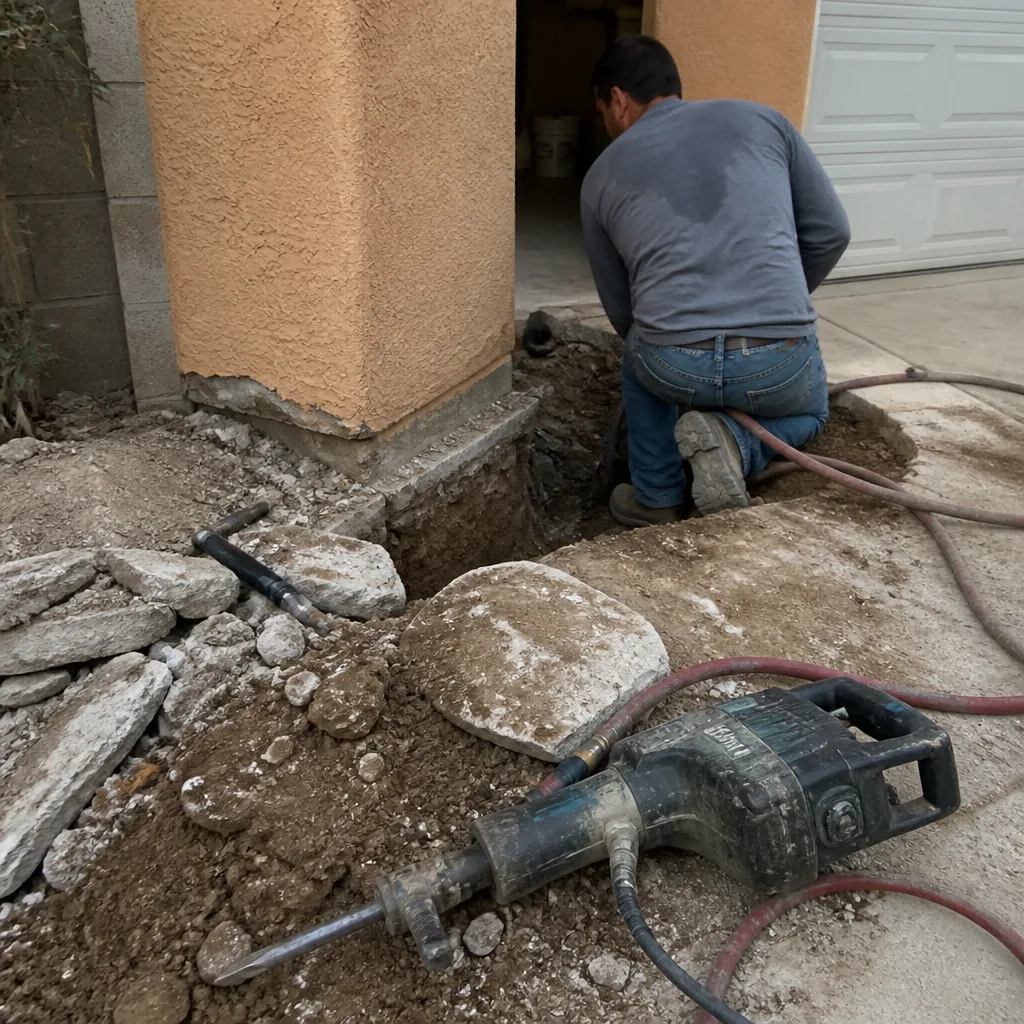 Before
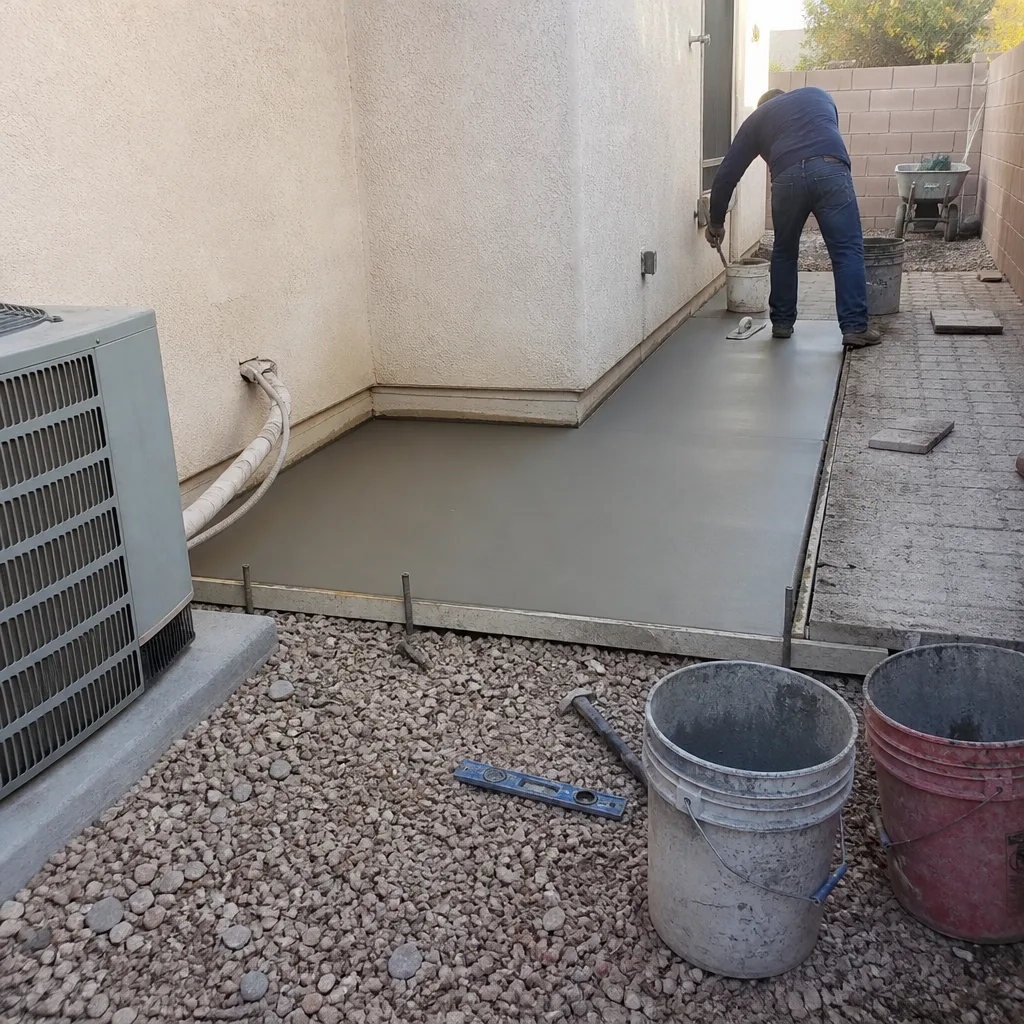 After
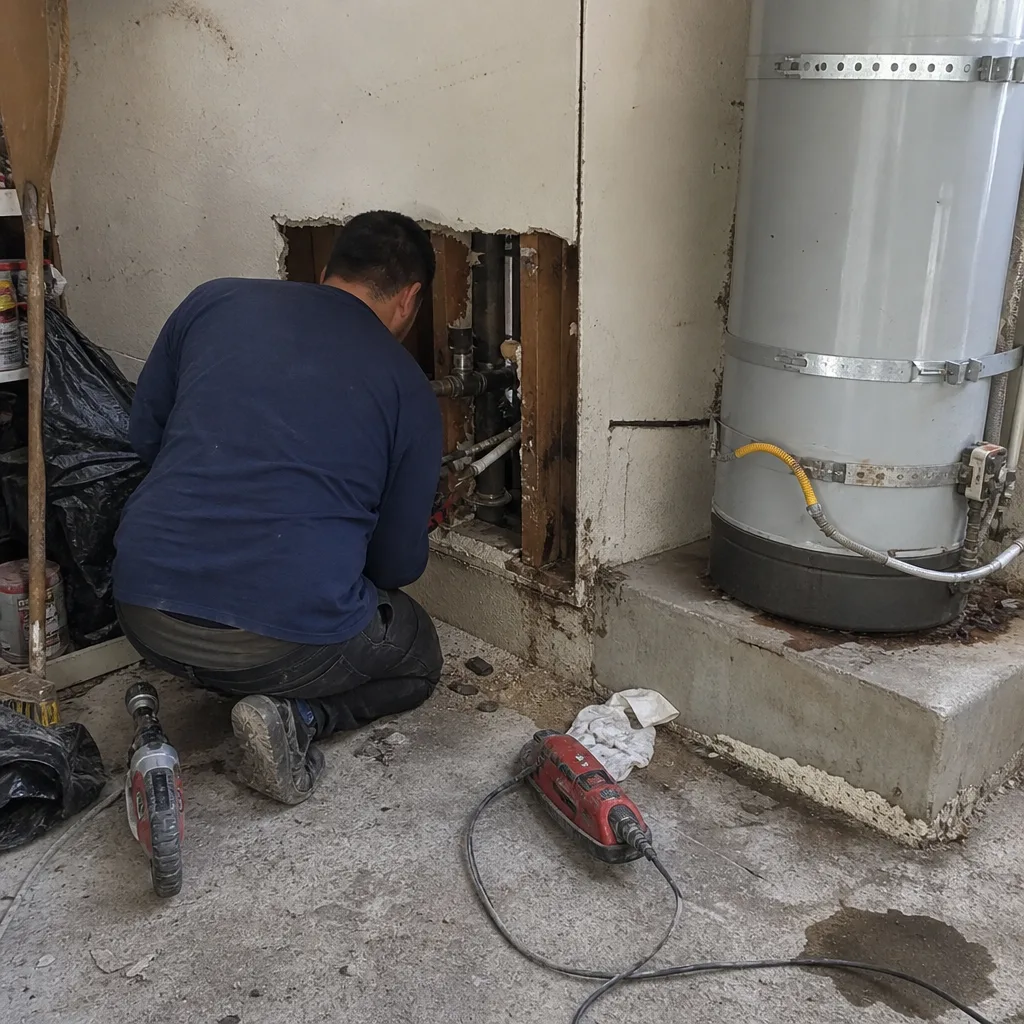 Before
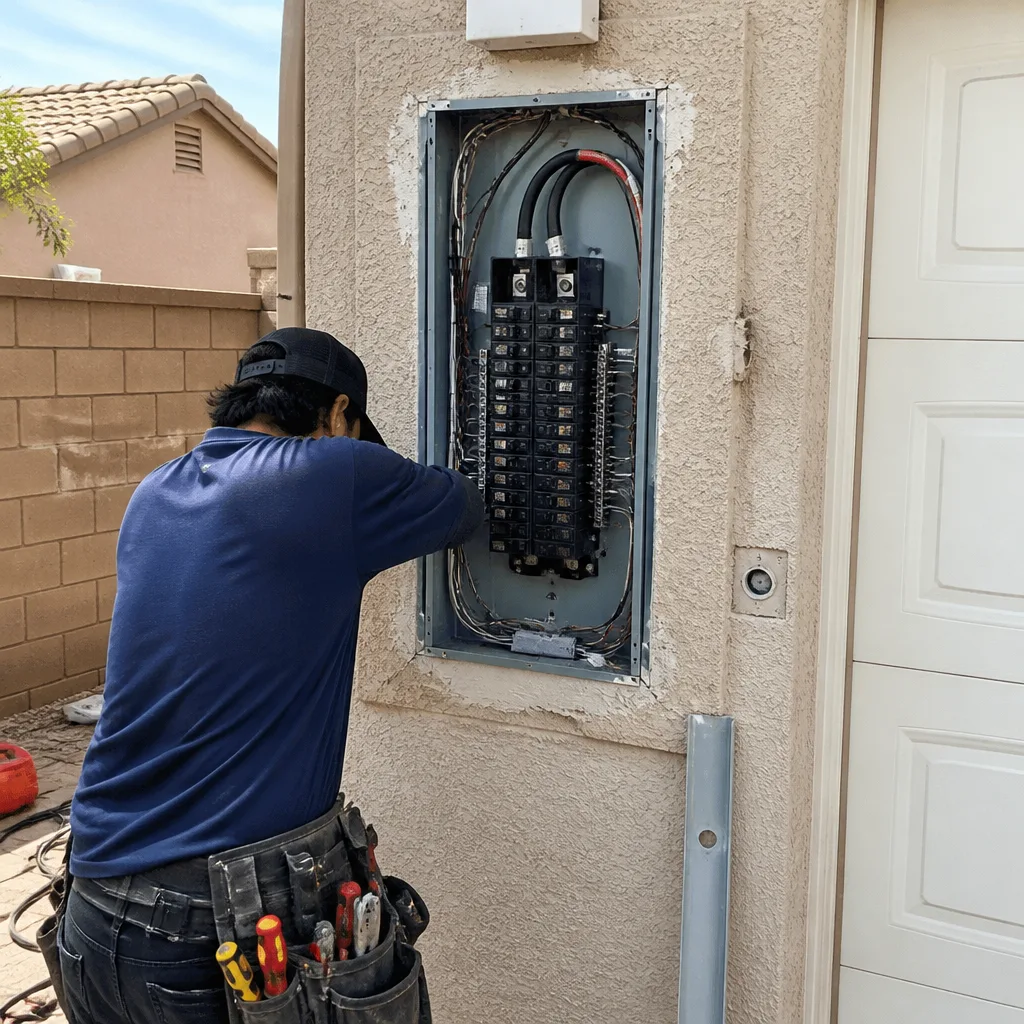 After
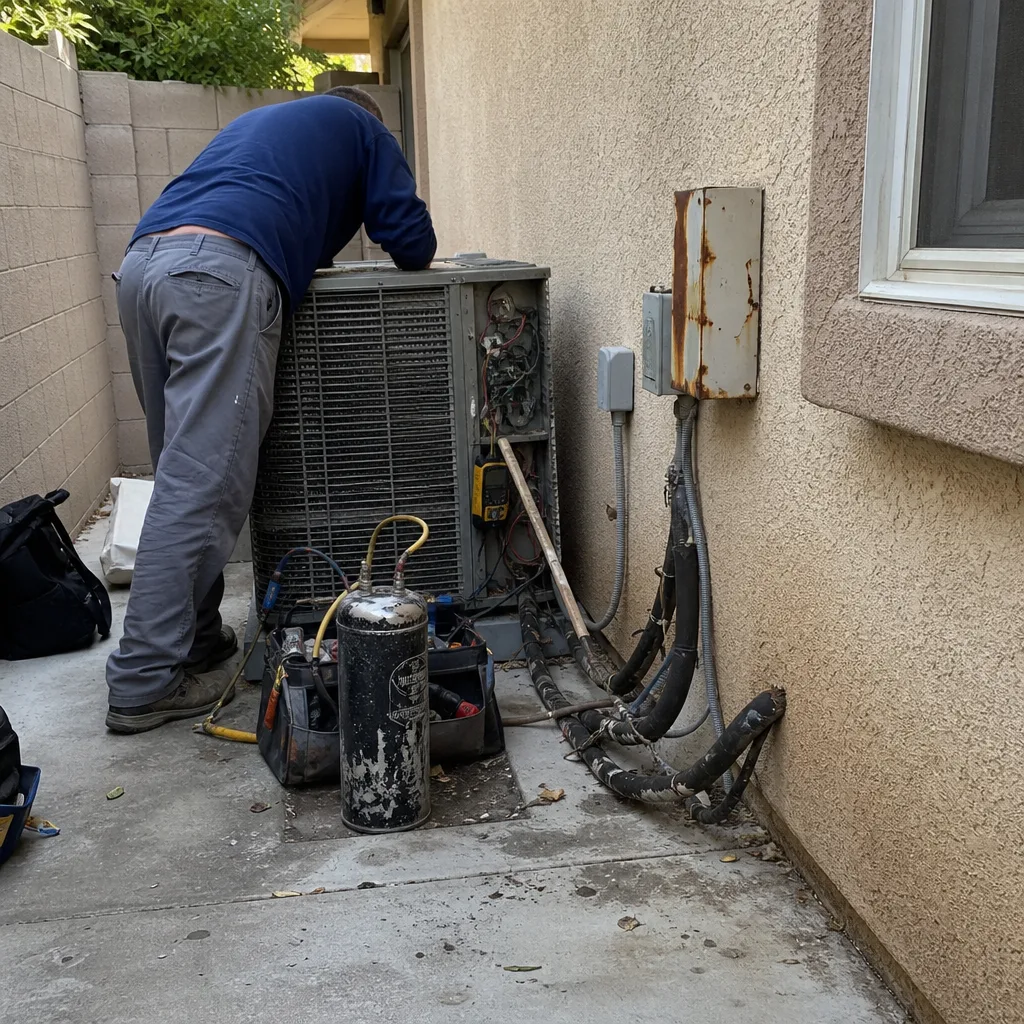 Before
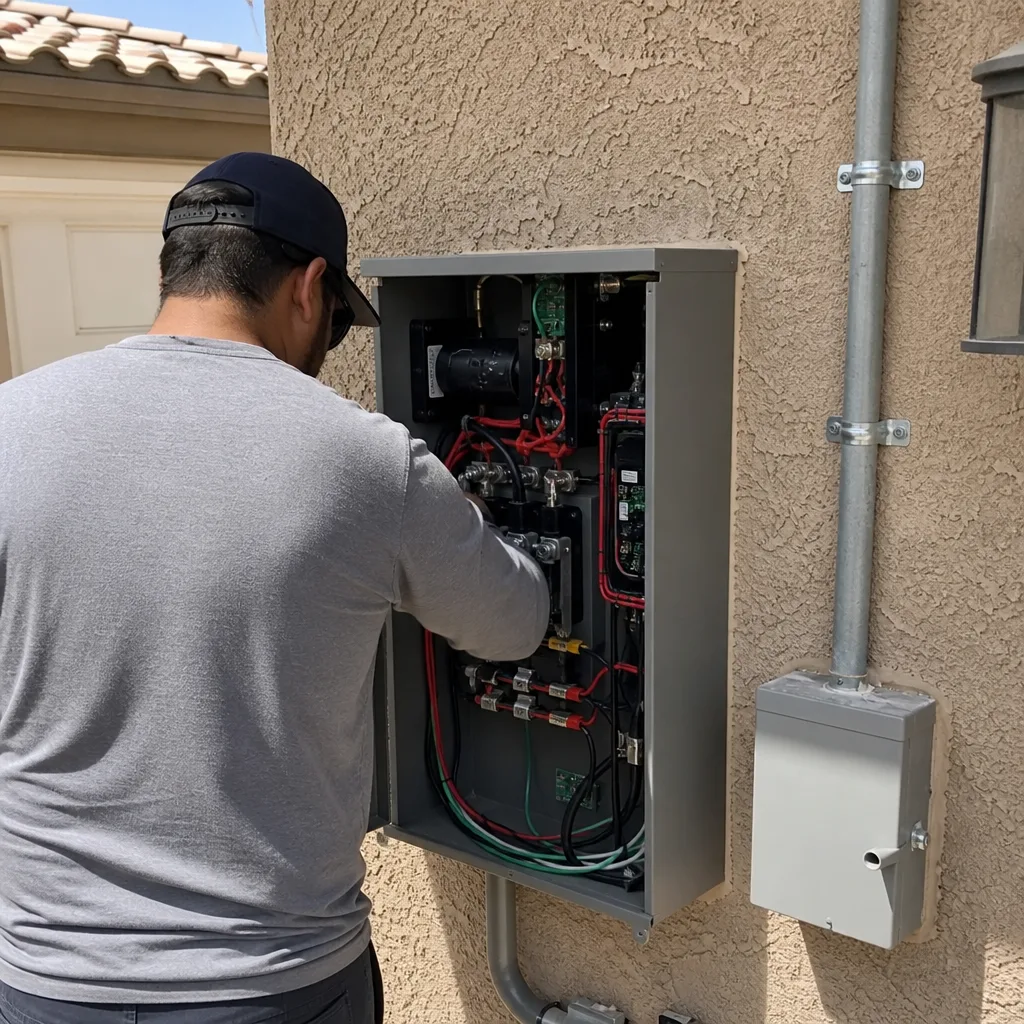 After
When to Call a Professional
If your project involves structural changes, permit-required work, or any trade that touches waterproofing, electrical, or gas, this is not a do-it-yourself situation. The mistakes that matter most are the ones you can’t see: a flashing detail behind finished stucco, a rough-in that’s off by two inches inside a wall cavity, a drain line with the wrong slope under a freshly poured slab. By the time you can see these failures, the fix costs more than the original work did. A licensed general contractor with deep Henderson experience will catch them before the walls close. Slatestone Contractors offers free estimates in Henderson. Call (833) 734-5541 to schedule yours.
Frequently Asked Questions
The most common general contractor problems are poor communication, missed schedule milestones, undocumented change orders, material substitutions without approval, and punch lists that linger after final payment has been requested. Almost all of these trace back to the same root cause: the contractor is managing scope across multiple trades without owning the transition points between them.
Start by documenting every verbal conversation with a follow-up email or text that confirms what was agreed. Then review your contract’s dispute resolution clause, which may require mediation or arbitration before litigation. If the contractor is licensed, the Nevada State Contractors Board accepts complaints and maintains a recovery fund for consumers. Multiple attempts at written resolution should happen before any formal complaint is filed.
Stop the work on that specific scope item and get the substitution in writing with an explanation and a price breakdown. If the substituted material costs less than the specified product, the savings should be passed to you. If the contractor substituted without your approval, that’s a contract breach, not a convenience. In Henderson, where brand materials like Therma-Tru doors and James Hardie siding carry specific warranty implications, an unauthorized substitution can also void your manufacturer coverage.
Standard practice in Nevada is to hold 5-10% of the total contract value as retainage until the punch list is resolved and final inspections pass. Write this into the contract at signing. A contractor who refuses retainage language is signaling that he expects punch list problems.
You can, and many Henderson homeowners do, especially on small single-trade projects. But on any project involving two or more trades, you become the de facto GC: you own the schedule, the sequencing, the material coordination, and every transition gap between trades. Most people who do this only once never do it again.
Every licensed contractor in Nevada has a license number that can be verified on the Nevada State Contractors Board website. Verify the license number, check the license classification matches the work you’re hiring for, and review any complaint history. Henderson also has its own building permit requirements that apply to most remodeling work, and a licensed contractor should manage those permits as part of the scope.
The Bottom Line
Renovation problems in Henderson are rarely about bad hammer work. They’re about bad handoffs. When a roofing crew finishes and a window crew starts and nobody owns the seam between them, that’s where water gets in. When cabinets get set by one company and countertops templated by another and nobody owns the tolerance spec, that’s where slabs crack. The fix is structural, not cosmetic: one contract, one schedule, one accountable GC who owns every transition from the roof to the pavers. That’s how we build, and that’s how every serious renovation should run.
Written by the team at Slatestone Contractors, serving Henderson since 2018.
Ready to talk about your project? Call (833) 734-5541 for a free estimate. We’ll walk the property with you, diagnose what’s actually going on, and give you a written scope with real numbers. No pressure, no obligation, and no handoff gaps.