
Last updated October 31, 2026
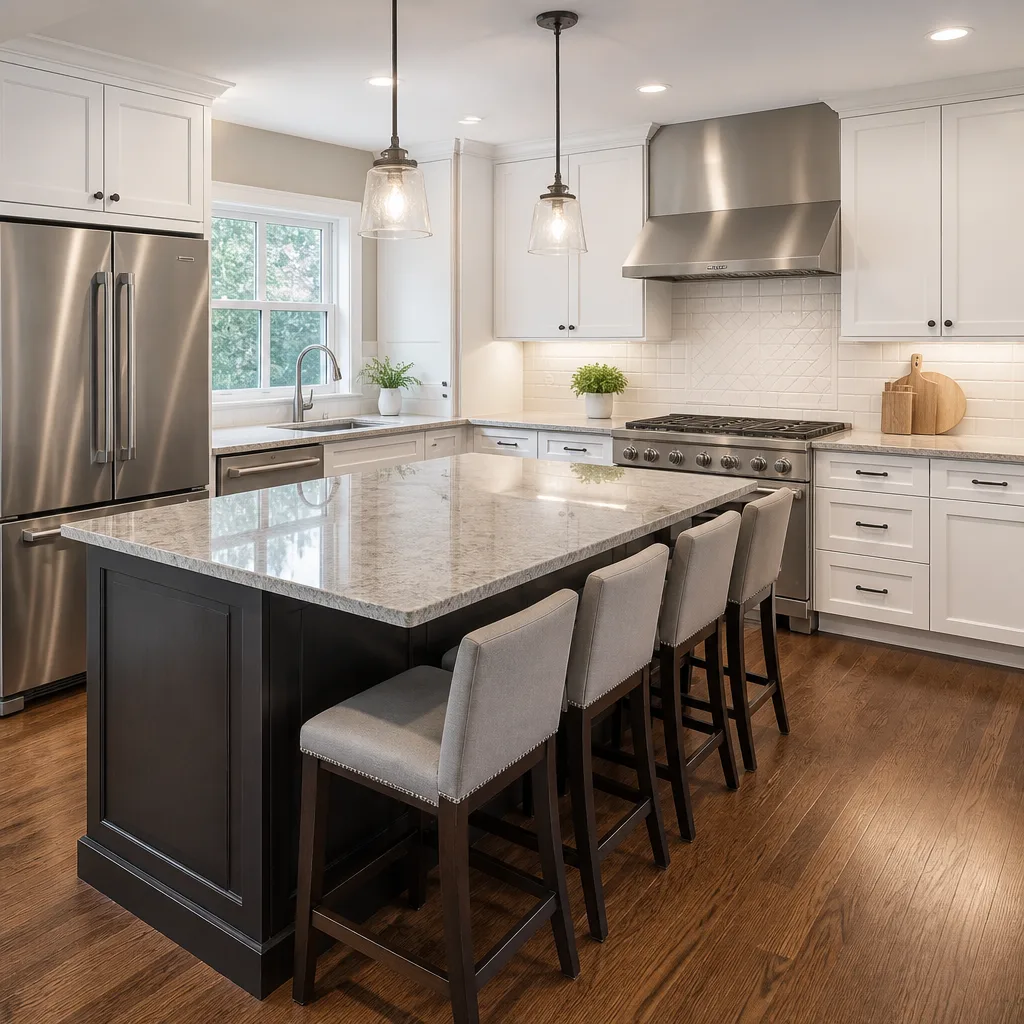 Kitchen remodeling
 Bathroom remodeling
 Home additions & ADU
 Roofing
 Windows & doors
 Driveway & pavers
 Fence
Free written scope consultation - allowances, timeline, and change-order rules on paper before a single trade is scheduled
How to Hire a Construction Contractor in Henderson: A Step-by-Step Guide
The most common complaint filed with Nevada’s State Contractors Board isn’t fraud. It’s abandonment. A contractor starts the job, tears out your kitchen or opens up your roof, then stops showing up. Homeowners in Henderson learn this the hard way every year. This guide walks you through the entire hiring process, from license verification to contract language to the accountability interview questions that reveal whether a contractor will still be on your job in month three. For The Complete General Contractor Guide for Henderson Homeowners, see our dedicated resource. You’ll learn what most guides skip: how to assess operational reliability, not just paperwork compliance.
Quick Answer
To hire a construction contractor in Henderson, verify the contractor’s Nevada State Contractors Board license and confirm it matches the work scope, request at least three itemized bids, check references from completed projects within the last 18 months, and require a written contract that specifies materials by brand, change order procedures, lien waiver obligations, and a defined communication cadence before any money changes hands. See Choosing the Right Construction Brand: A Buyer’s Guide for Henderson for help evaluating materials.
Styles & brands we work with
Table of Contents
- How to Verify a Nevada Contractor License (And What the Classifications Actually Mean)
- How to Evaluate Bids Without Assuming the Cheap One Is a Scam
- The Accountability Interview: Five Questions That Reveal How a Contractor Operates
- The Contract Language Checklist Every Henderson Homeowner Needs
- One Contractor vs. Multiple Subs: Why Your Warranty and Timeline Depend on This Decision
- Permits, Inspections, and Lien Waivers in Henderson
- Red Flags That Show Up Before You Ever Sign
How to Verify a Nevada Contractor License (And What the Classifications Actually Mean)
Nevada requires any contractor performing work valued above $1,000 to hold a license issued by the Nevada State Contractors Board (NSCB). Verifying that license takes about three minutes on the NSCB website, and you should do it before you sign anything. Enter the contractor’s name or license number, and confirm three things: the license is active, the classification covers the work you’re hiring for, and there are no pending disciplinary actions.
The classification matters more than most homeowners realize. A “B” classification covers general building, which allows a contractor to frame, roof, and handle structural work on residential and commercial projects up to certain limits. An “AB” covers both general building and general engineering. More narrow classifications like “C-1” (plumbing and heating) or “C-2” (electrical) restrict the contractor to that single trade. If you hire a C-1 plumbing contractor to remodel your bathroom, they can handle the pipes but not the tile, the cabinetry, or the glass enclosure. You’d be hiring additional contractors for everything else, which means coordinating separate schedules, separate contracts, and separate warranties.
In Henderson, where post-COVID construction demand brought a wave of new licensees into the market, the classification question has become the fastest way to filter out contractors who will exceed their scope or sub out half the job to people you never vetted. A full-scope General Contractor in Henderson operates under a license that allows structural, exterior, and interior work under a single contract. That’s the difference between hiring a coordinator and hiring someone accountable for the whole build.
Here’s the step-by-step verification process:
- Go to the NSCB license search tool and enter the contractor’s name or license number.
- Confirm the license status reads “Active” and note the issue date and any suspension history.
- Check the classification and read the work description to confirm it covers your project scope.
- Look at the monetary limit. Nevada licenses carry dollar caps based on the contractor’s bond and financial filings. A contractor with a $50,000 limit cannot legally sign a $200,000 contract.
- Review any complaints or disciplinary actions on file. One complaint doesn’t disqualify a contractor, but unresolved actions or multiple abandonment claims should.
Licensed contractors in Nevada are also required to maintain a bond and workers’ compensation insurance. Ask for proof of both before the first on-site meeting. A licensed contractor who hesitates to show a certificate of insurance is telling you something about how the job will go.
How to Evaluate Bids Without Assuming the Cheap One Is a Scam
Every hire-a-contractor guide tells you to get three bids. Very few tell you what to actually do with them. A bid that comes in 20% below the others is not automatically a red flag, and a high bid is not automatically a premium product. You have to read the line items.
Start by confirming the bids describe the same project. In our experience, we see Henderson homeowners compare three bids that include different material specifications, different permitting responsibilities, and even different structural approaches. One bid includes engineered quartz countertops from Silestone with a full-height backsplash; another prices basic granite with a 4-inch backsplash. One bid includes pulling permits and scheduling inspections; another lists “owner responsible for permits.” These are not the same project at different prices. They’re different projects.
Here’s the comparison framework we recommend:
- Material specifications: Does the bid name specific brands and product lines? Three bids that say “windows: PGT” tell you something. Three bids that say “windows: contractor standard” tell you nothing. A bid that specifies PGT or CGI windows, James Hardie siding, and Cambria countertops is priced for a known product. A bid that leaves materials vague is priced for whatever the contractor finds cheapest that week.
- Line-item detail: A legitimate bid is itemized. Demolition, rough framing, rough plumbing, rough electrical, drywall, paint, fixtures, trim. If a bid is one number with no breakdown, you cannot compare it to anything and you cannot hold anyone accountable to it.
- Allowances: Many contractors use “allowances” for finishes: a fixed dollar amount allocated to, say, flooring, with the understanding that actual selection determines final price. Check whether the allowance is realistic for the materials you plan to choose. A $2,000 flooring allowance for a 1,200-square-foot remodel tells you the bidder expects you to pick basic vinyl, not engineered hardwood.
- Exclusions: Read the fine print for what’s listed as “by owner” or “not included.” Dumpster rental, permit fees, and finish hardware frequently fall into exclusion territory on low bids, and those costs land on you mid-project when you’re least prepared for them.
- Payment schedule: Compare the draw schedule across bids. Nevada law limits the down payment on residential contracts to the lesser of 10% or $1,000. Any contractor asking for more before work starts is operating outside the law. After that, draws should track completed milestones, not calendar dates.
A 20% lower bid is sometimes a contractor with lower overhead or fewer layers of subcontractor markup. It’s sometimes a contractor who hasn’t priced the same materials or who plans to use day labor instead of licensed subs. The bid alone won’t tell you which. The line items and the accountability interview will.
The Accountability Interview: Five Questions That Reveal How a Contractor Operates
Most homeowners ask contractors about price and timeline. Those are fine questions, but they don’t reveal much. Every contractor says they’ll finish on time and on budget. The questions below get at what happens when the schedule slips, who makes decisions when you’re not on-site, and whether the contractor owns the project or just coordinates it.
- “Who will be on-site running my project day to day, and who do I call when I have a question?” A contractor who hesitates, names a rotating cast of crew leads, or says “you can always reach me” without defining a communication chain is telling you that nobody owns the daily work. You want one name: a project manager or lead carpenter who’s accountable for the schedule and the punch list.
- “How do you handle change orders, and can I see a blank copy of the form you use?” Every project has changes. The question is whether changes get documented in writing with cost, schedule impact, and your signature. A contractor who says changes are “usually just handled verbally” will eventually bill you for verbal changes you don’t remember authorizing. A blank change order form with fields for price and time impact tells you they run projects by process, not by memory.
- “Who pulls the permits, and whose name goes on them?” The contractor’s name should be on every permit. If a contractor suggests you pull the permit in your own name to “save money,” walk away. The person named on the permit is legally responsible for the work passing inspection. A contractor who wants you to carry that liability is not accountable.
- “What’s your communication cadence? When do I get updates, and in what form?” You want a contractor who can answer this without thinking: a weekly written update, a Friday photo log, a Tuesday call. The format matters less than the commitment. Contractors who communicate on a schedule are contractors who manage projects. Contractors who communicate only when something goes wrong are managing crises.
- “Which trades do you self-perform, and which do you sub out? Who vets the subs you use?” Almost every contractor subs some work. The difference is whether the contractor has established trade relationships with people they’ve worked with for years, or whether they’re hiring whoever answers the phone for each new job. A general contractor who can name their electricians, plumbers, and drywall crews and describe how long they’ve worked together is running a real company, not a dispatch service.
These questions apply whether you’re hiring for a full home renovation or a single-scope project. The contractor who answers them clearly in a meeting will answer them clearly when your kitchen is torn apart and you want to know when the cabinets arrive. For a deeper look at how a full-scope contractor runs projects, see our guide to Home Renovation in Henderson.
The Contract Language Checklist Every Henderson Homeowner Needs
Nevada law requires written contracts for any residential construction project exceeding $1,000. The statute requires certain elements in the contract, including the contractor’s license number, a description of the work, the total price or a clear method for calculating it, and a payment schedule. But a contract can satisfy Nevada law and still leave you unprotected. Here’s the language we tell Henderson homeowners to confirm before signing.
- Scope of work with specific materials. The contract should list the major materials by brand and product line where possible: “Pella windows,” “James Hardie lap siding,” “Cambria quartz countertops in Ashford finish.” Generic descriptions mean the contractor can install anything that roughly matches the description and still claim compliance.
- Change order procedure. The contract must state that all changes are documented in writing, signed by both parties, and include cost and schedule impact before work proceeds. This protects you from surprise bills and protects the contractor from scope creep.
- Payment schedule tied to milestones. Specific, verifiable milestones: “upon completion of rough framing inspection,” not “after two weeks.” You should never be asked to pay for work before it’s completed and inspected.
- Lien waiver language. The contract should state that the contractor will provide lien waivers from all subcontractors and suppliers before each draw is released. This prevents a scenario where you pay the contractor, the contractor doesn’t pay the tile supplier, and the tile supplier files a mechanic’s lien against your house.
- Timeline with defined start and completion dates. “Approximately three months” is not a timeline. You want a start date and a substantial completion date, with a defined process for extension requests and weather delays. Henderson’s summer heat can and does affect exterior work; the contract should acknowledge that without giving the contractor unlimited slack.
- Warranty terms in writing. Nevada requires contractors to provide a written warranty covering workmanship for a period of at least one year, but many contractors in Henderson offer longer coverage on structural work. The contract should specify what’s covered, for how long, and which manufacturer warranties (on roofing, windows, and siding) are being passed through to you.
- Cleanup and site protection. Who’s responsible for debris removal, and where does the dumpster go? Who protects existing landscaping, flooring, and furniture? Write it down. Henderson HOAs often have specific rules about dumpster placement and work hours, and you’re the one who’ll hear about it if the contractor violates them.
If a contractor resists putting any of these terms in writing, that resistance is information. A legitimate construction company has standard contract language covering all of this because they’ve done it hundreds of times. A contractor who says “we’ve always just done handshake deals” has never done the jobs that went wrong.
One Contractor vs. Multiple Subs: Why Your Warranty and Timeline Depend on This Decision
Henderson homeowners planning a significant renovation face a structural decision before they ever look at tile: hire one general contractor for the whole project, or hire separate contractors for each scope: a roofer for the roof, a window company for the windows, a kitchen remodeler for the kitchen, a paver installer for the patio. Our Seasonal Construction Care for Henderson: Year-Round Homeowner’s Guide covers timing considerations for these decisions. The second approach is common in Henderson, and it’s the source of a large share of the frustration that ends up at the NSCB.
Here’s what happens with multiple contractors. Each one has their own schedule, their own crew, their own material lead times, and their own willingness to coordinate with other trades. The window company installs windows on March 10. The stucco contractor arrives March 12 to patch the exterior and chips a window frame. The window company says it’s not their problem. The stucco contractor says the window installers left the opening uneven. You’re now mediating a dispute between two companies that have no contractual relationship with each other, and the stucco contractor has already moved on to the next job. The repair waits, and no single company owns the outcome.
The multiple-contractor approach also fragments your warranty. The roofer warranties the roof. The window company warranties the windows. The general contractor (if you had one) warranties the integration. When a roof-to-wall flashing detail fails or a window leaks into a new wall assembly, each trade points at the other, and the manufacturer’s rep points at installation, and you’re stuck compiling a dossier instead of making one phone call.
Single-source accountability means one contract, one point of contact, and one party responsible for the integration points between systems. This is why some Henderson homeowners choose a full-scope model like Slatestone Contractors home for projects that span exterior and interior work. When the same contractor re-roofs the house, replaces the windows, and remodels the kitchen, the roofer and the trim carpenter work for the same company under the same schedule. The roofer knows the window crew is coming because the project manager told both of them. The warranty covers the assembly, not just the components.
This model isn’t right for every project. A single trade repair (replacing a water heater, re-screening a pool enclosure) doesn’t require a general contractor. But if your project touches multiple systems, the coordination cost of multiple contractors almost always exceeds the apparent savings.
Permits, Inspections, and Lien Waivers in Henderson
Henderson operates under the City of Henderson Building and Fire Safety division, which issues permits and conducts inspections for residential construction. Most structural work requires a permit: additions, roof replacements, window and door replacements that alter openings, water heater replacements, electrical panel upgrades, and most bathroom and kitchen remodels that touch plumbing or electrical. Unpermitted work is common in Henderson’s older neighborhoods, and it becomes your problem when you try to sell or when an unpermitted water heater fails and floods the house.
The contractor should pull all permits in the contractor’s name. When a contractor suggests you pull the permit yourself, it’s often because they don’t want their license associated with the work, which is a strong signal they intend to cut corners or that they lack the license classification for the job in the first place.
Inspections happen at defined milestones: after rough framing, after rough electrical and plumbing, after insulation, and at final completion. These inspections are your quality control backstop. A contractor who schedules inspections on time and passes them without a string of corrections is demonstrating process discipline. A contractor who asks you to occupy the house before the final inspection is asking you to assume liability for incomplete work.
Lien waivers matter even if your contractor is reputable. Here’s the mechanic: you pay the contractor a draw. The contractor pays the cabinet supplier and the electrician. The contractor hits a cash flow problem and skips one of those payments. The cabinet supplier files a lien against your property. You now owe the cabinet supplier even though you paid the contractor. Lien waivers prevent this. Each draw should be conditional on receipt of lien waivers from every sub and supplier paid from the previous draw. Reputable general contractors in Henderson use this as standard practice. Contractors who act confused by the request are not reputable.
For projects that include structural changes or significant interior work, the permit process and the renovation process are inseparable. Our Home Remodeling in Henderson guide covers the full scope of what a permitted remodel involves.
Red Flags That Show Up Before You Ever Sign
Some contractors reveal themselves in the first meeting. These are the patterns we’d flag immediately.
- The contractor asks for a large down payment. Nevada caps the initial deposit on residential work at 10% or $1,000, whichever is less. A contractor asking for 30% or 40% up front is either unaware of the law (bad) or knowingly violating it (worse).
- The contractor pressures you to sign “this week” for a discount. Legitimate contractors in Henderson are busy enough that they don’t need deadline pressure tactics. A discount contingent on immediate signature is a closing technique, not a market condition.
- The contractor cannot provide references from the last 18 months. Projects from five years ago don’t tell you how the company operates today. A contractor who’s been active but can’t produce recent references is hiding something about recent work.
- The bid is dramatically lower and the contractor can’t explain why. “We just have lower overhead” is not an explanation. “We have an existing crew from a project that got delayed” is an explanation. “We’ll be in your neighborhood anyway” is not.
- The contractor suggests skipping permits. This is an automatic disqualification in Henderson, no exceptions. The contractor who suggests skipping permits is telling you they’re willing to operate outside the law, and they’ll be willing to operate outside your interests too.
- The contractor doesn’t have a physical office or a business address. A PO box and a cell phone might be a legitimate small operation, but combined with a missing website, missing license verification, and a cash-only payment arrangement, it’s a pattern. Henderson’s abandoned-project complaints typically trace back to contractors nobody can find anymore.
Trust your instincts, but verify them with data. The contractor who makes you feel rushed, vague, or defensive in the bidding phase will make you feel worse when your kitchen is a construction zone and your money is already spent.
Common Mistakes to Avoid
- Verifying the license but not the classification. A C-1 plumbing contractor’s license is valid, and so is a B-2 residential remodeler’s license. But they’re not the same license, and hiring the wrong classification means the contractor will sub out or exceed scope, and neither outcome is good for you.
- Choosing the lowest bid without reading the exclusions. The low bid usually wins by excluding something: dumpster rental, permits, site protection, or materials specified as “standard grade.” Add those back in and the low bid is often the highest real cost.
- Paying for work before it’s inspected. Draws should track milestones, and milestones should be verified with your own eyes and with the city’s inspection record. Paying for “rough electrical complete” when the rough electrical hasn’t passed inspection is paying for a promise.
- Assuming the contractor’s insurance covers everything. Contractor liability coverage covers damage the contractor causes. It does not cover your personal property, your alternative housing during construction, or your own liability. Talk to your homeowner’s insurance agent before the project starts.
- Not defining the communication cadence before signing. The most common complaint in long renovations isn’t the work quality. It’s the silence. “I haven’t heard from my contractor in two weeks” means the contractor has no process. Require a defined update schedule in the contract.
- Ignoring HOA requirements. Many Henderson neighborhoods have active HOAs with specific rules about construction hours, dumpster placement, and exterior material changes. Violating them generates fines, and those fines land on the homeowner, not the contractor. Confirm requirements before the project starts.
- Hiring the contractor without visiting a current job site. A completed project is a curated showcase. A job in progress shows you how the crew works: whether materials are stored neatly, whether the site is cleaned daily, whether safety equipment is in use. Ask to visit a current project and watch for thirty minutes.
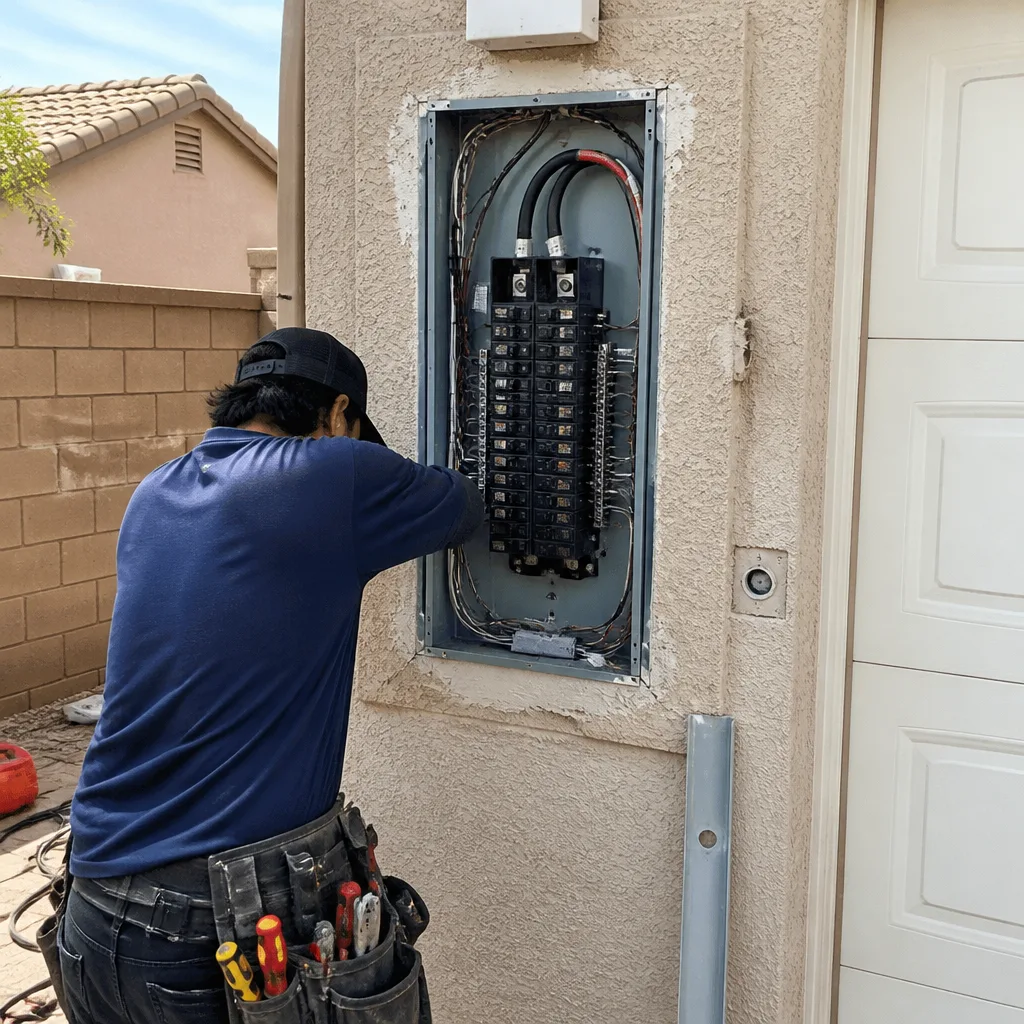
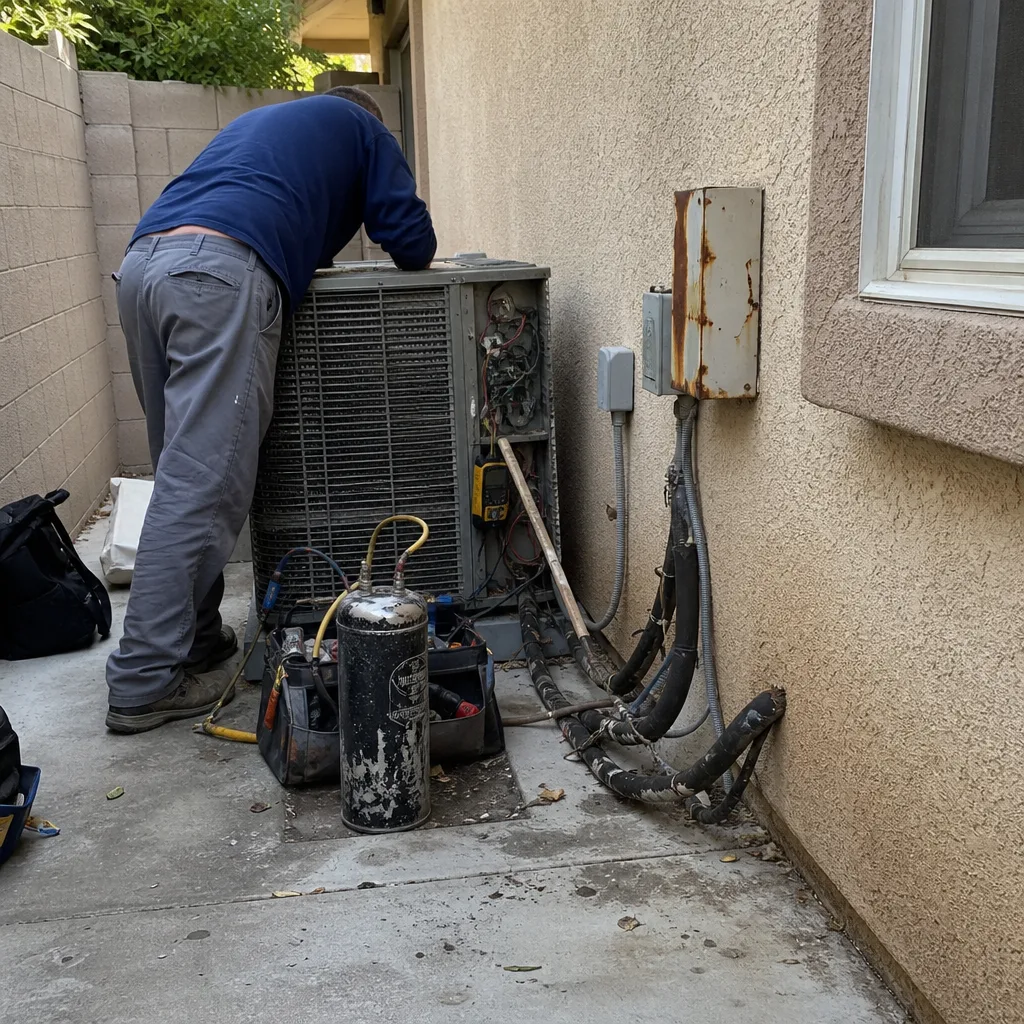
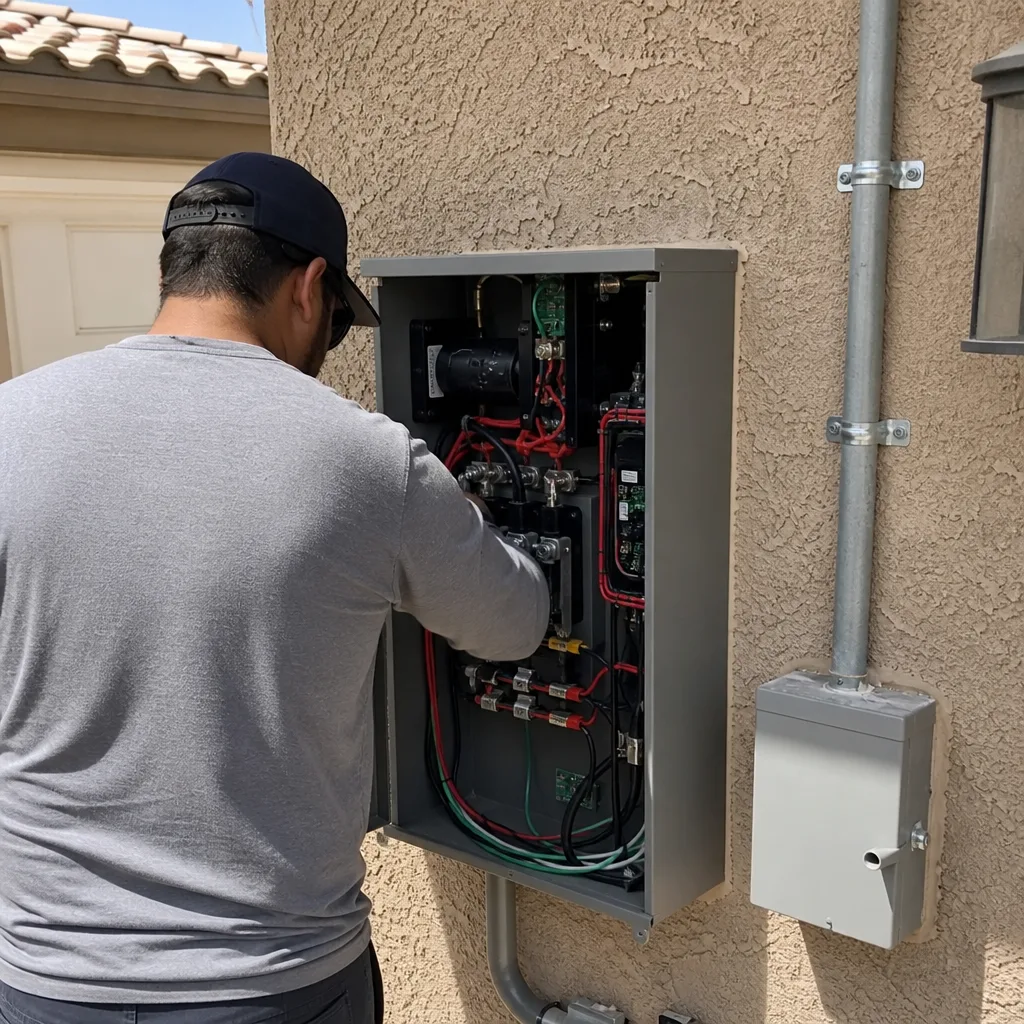
See the difference
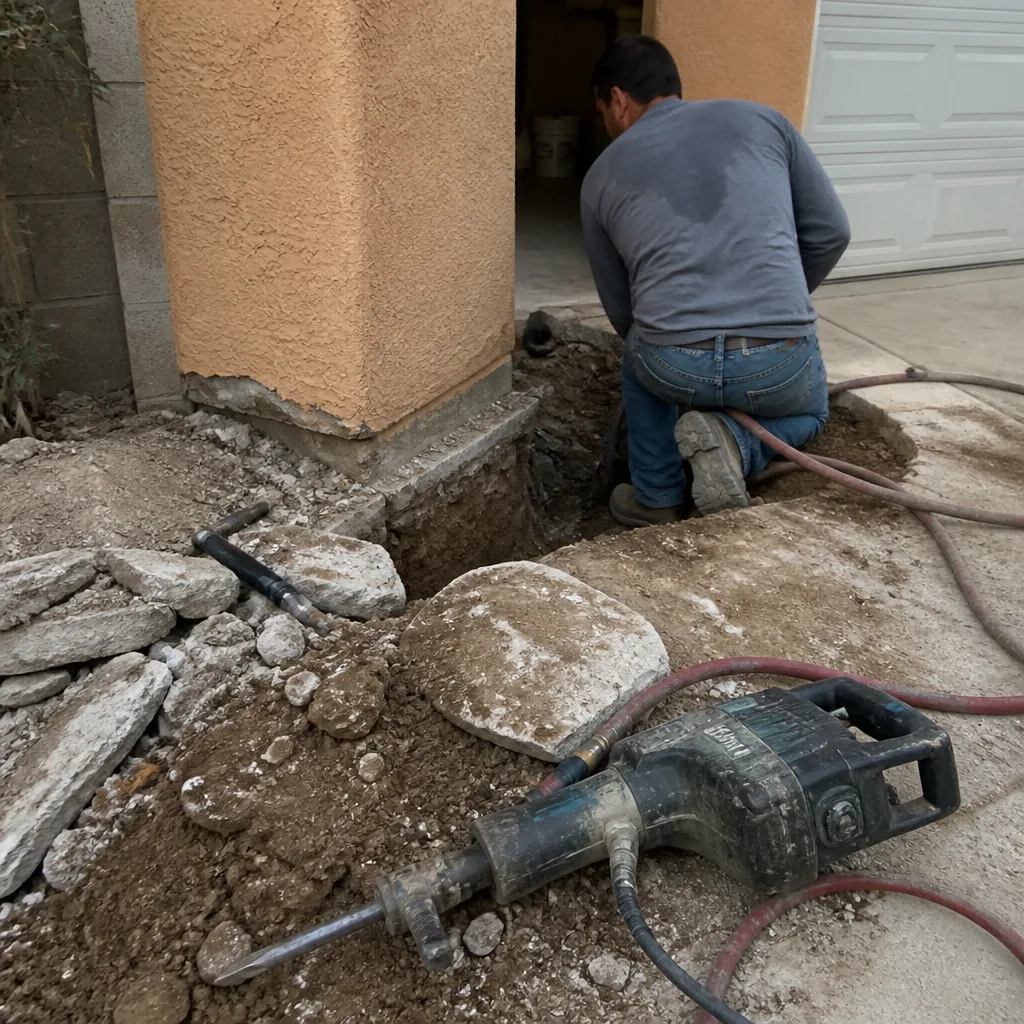 Before
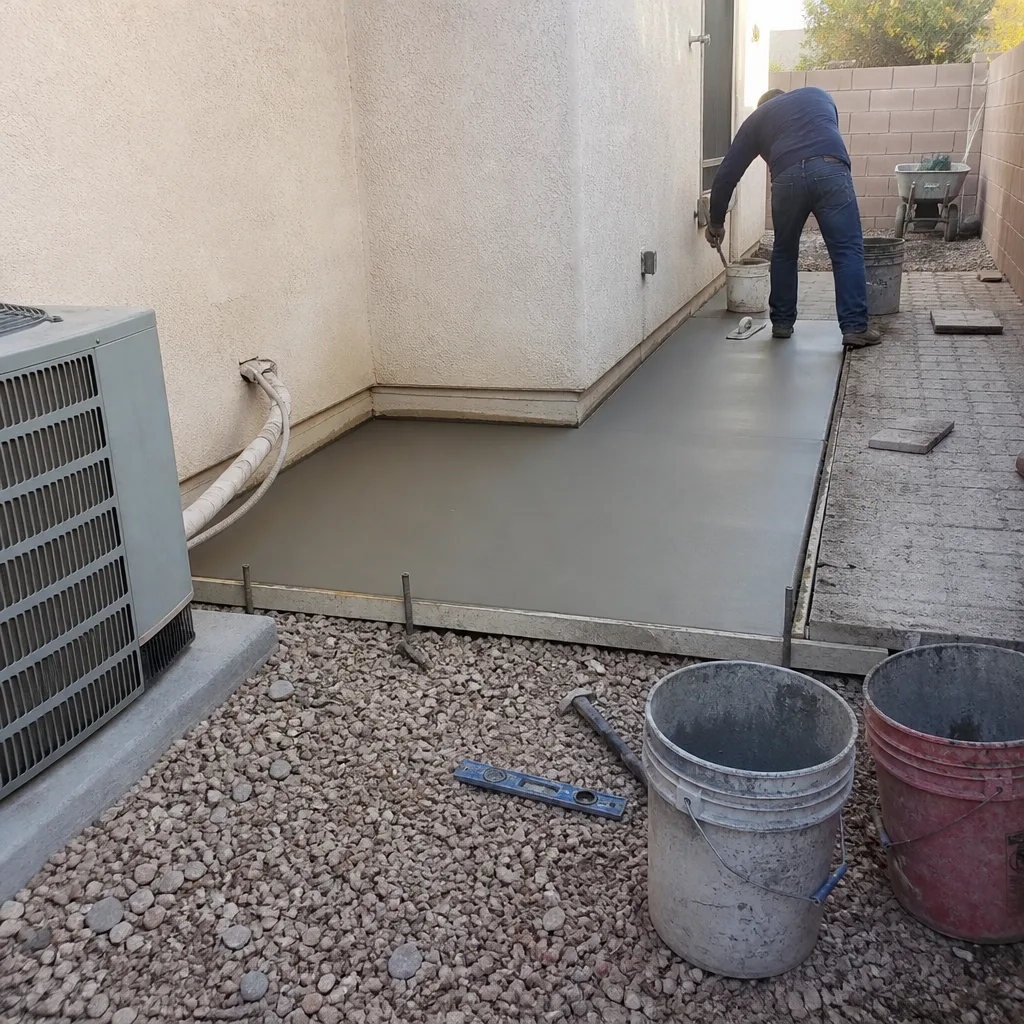 After
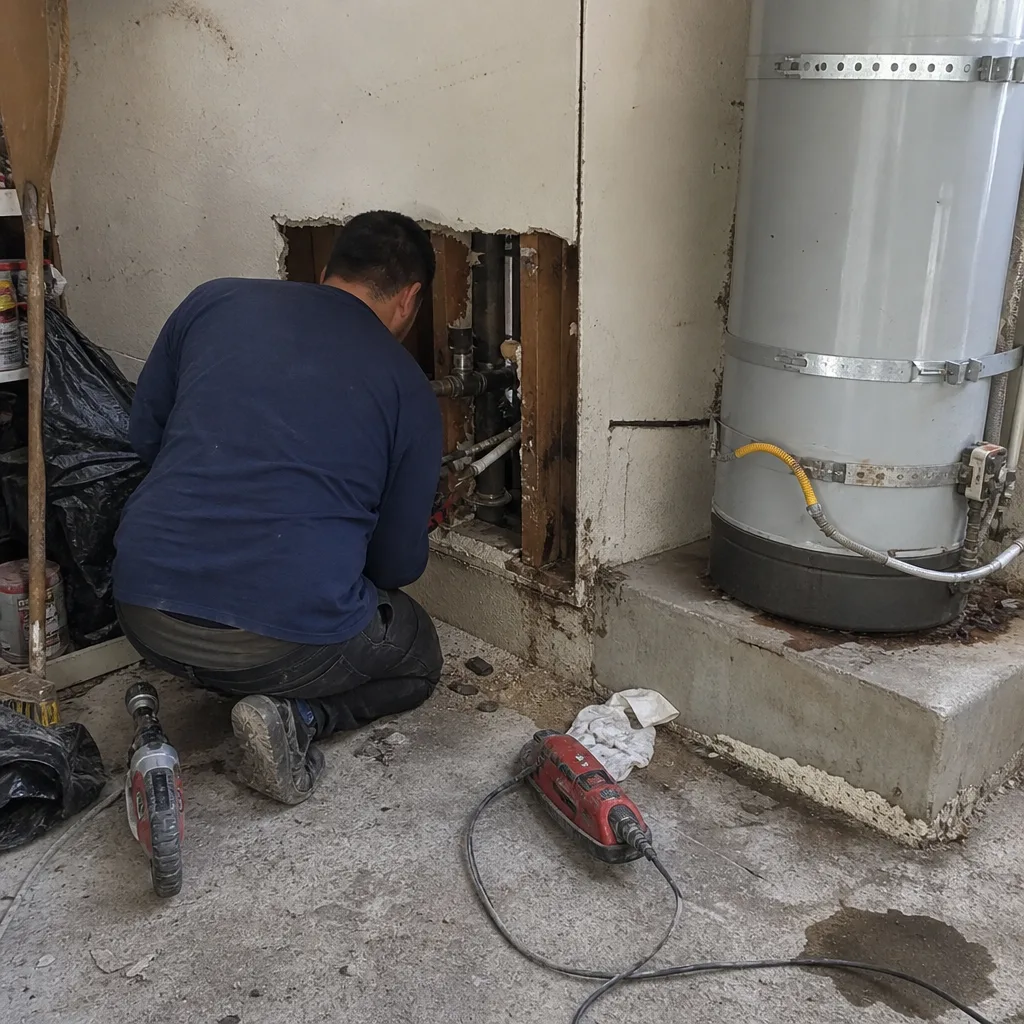 Before
 After
 Before
 After
When to Call a Professional
Some projects genuinely don’t require a general contractor: swapping a faucet, painting a bedroom, replacing a light fixture. But if your project involves structural changes, multiple trades, permit work, or any system that affects the safety and integrity of the house, professional help isn’t optional. Henderson’s building code exists for a reason, and the consequences of unpermitted or improperly executed work compound over time: framing that sags, waterproofing that fails behind tile, electrical connections that overheat. If you’re planning a remodel that touches plumbing, electrical, structural, or exterior envelope, call a licensed contractor before you touch anything. For more guides & resources, visit our blog. Slatestone Contractors offers free estimates in Henderson – call (833) 734-5541 to schedule yours.
Frequently Asked Questions
Contractor fees in Henderson typically run as a percentage of total project cost, but the more useful figure is the project estimate itself: a bathroom remodel commonly runs $18,000-$45,000, a kitchen remodel $35,000-$85,000, and a full-home renovation can exceed $150,000 depending on materials and scope. Material choices drive the range more than labor. Call (833) 734-5541 for an exact quote on your project – estimates are free.
Search the contractor’s name or license number on the Nevada State Contractors Board website and confirm the license is active, the classification matches your project scope, and there are no pending disciplinary actions. Nevada also requires a bond and workers’ compensation insurance, so ask for proof of both.
Nevada law caps the initial down payment on residential construction contracts at 10% of the contract price or $1,000, whichever is less. Any contractor requesting more before work begins is operating outside the law, and you should treat that as a disqualifying red flag.
A typical bathroom remodel runs 4-8 weeks, a kitchen remodel 8-14 weeks, and a whole-home renovation 4-9 months depending on scope. Henderson’s summer heat can slow exterior work like roofing and hardscape, and material lead times for items like custom cabinetry and specialty windows can add 6-12 weeks before work even begins.
For projects that touch multiple systems, hire one general contractor with a license that covers the full scope. One contractor means one schedule, one point of accountability, and a single warranty covering the integration of all trades. Multiple contractors mean you’re the coordinator, and you’ll own every dispute when trades blame each other for delays or defects.
Most structural, electrical, plumbing, and mechanical work requires a permit through the City of Henderson. Minor cosmetic work like painting and flooring typically doesn’t. Your contractor should pull all permits in the contractor’s name – if the contractor suggests you pull the permit yourself, find a different contractor.
The Bottom Line
Hiring a construction contractor in Henderson is a process of verification, not trust. Verify the license and the classification. Compare bids line by line, not by bottom line. Ask the accountability questions and listen to how the contractor answers, not just what they say. Require a contract that names materials, defines change orders, and protects you through lien waivers. And for projects that span multiple systems, consider whether one full-scope contractor serves you better than a patchwork of subs. The contractor you hire should own the outcome, not just the labor. General Contractor in Henderson services are available through Slatestone Contractors – call (833) 734-5541 to schedule your free estimate.
Written by the team at Slatestone Contractors, serving Henderson since 2018.