
Last updated October 31, 2026
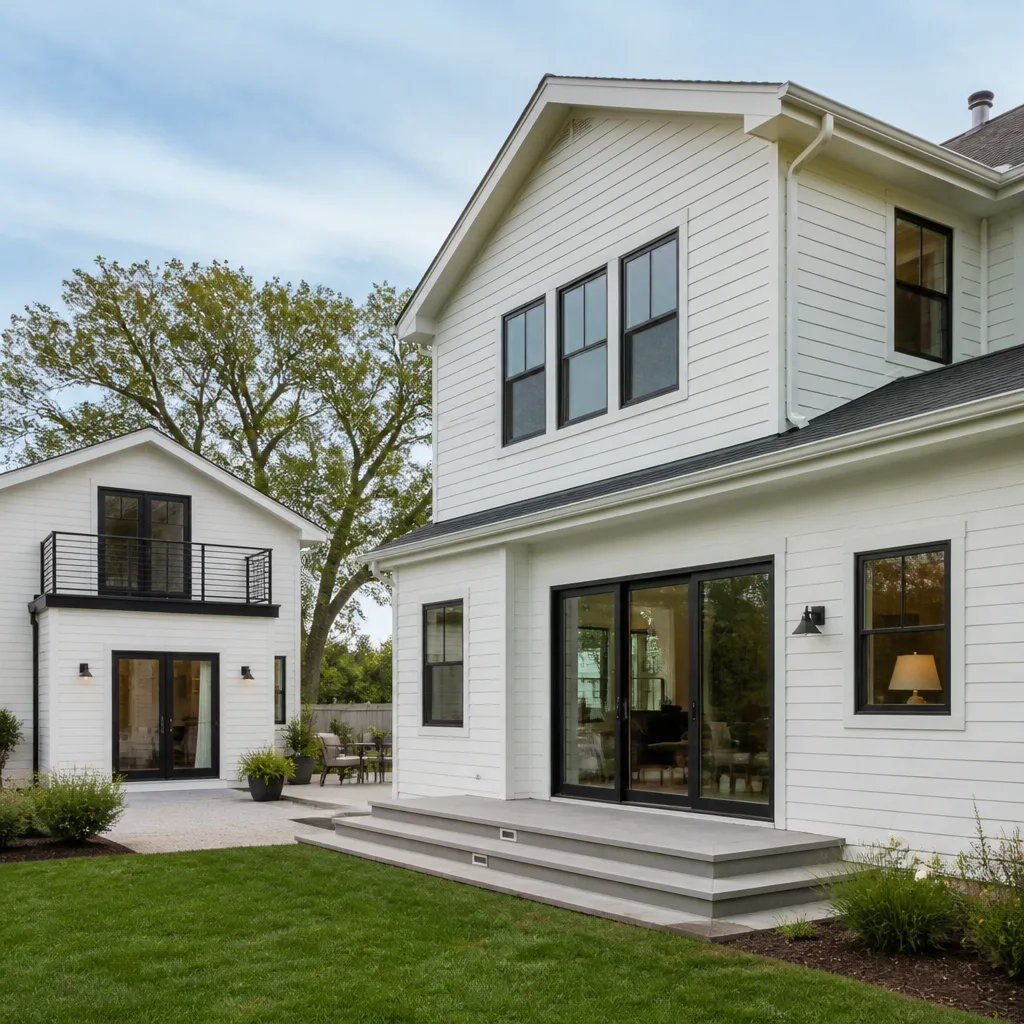 Home additions & ADU
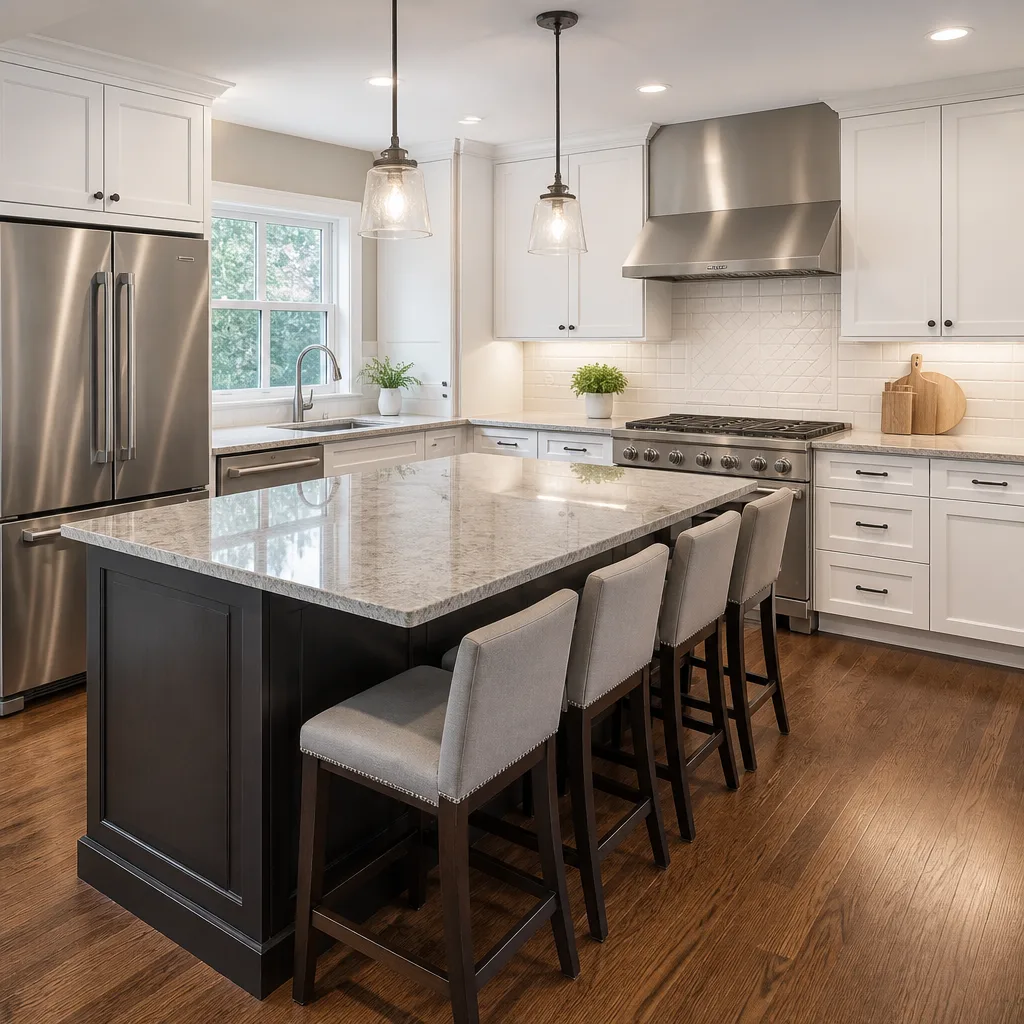 Kitchen remodeling
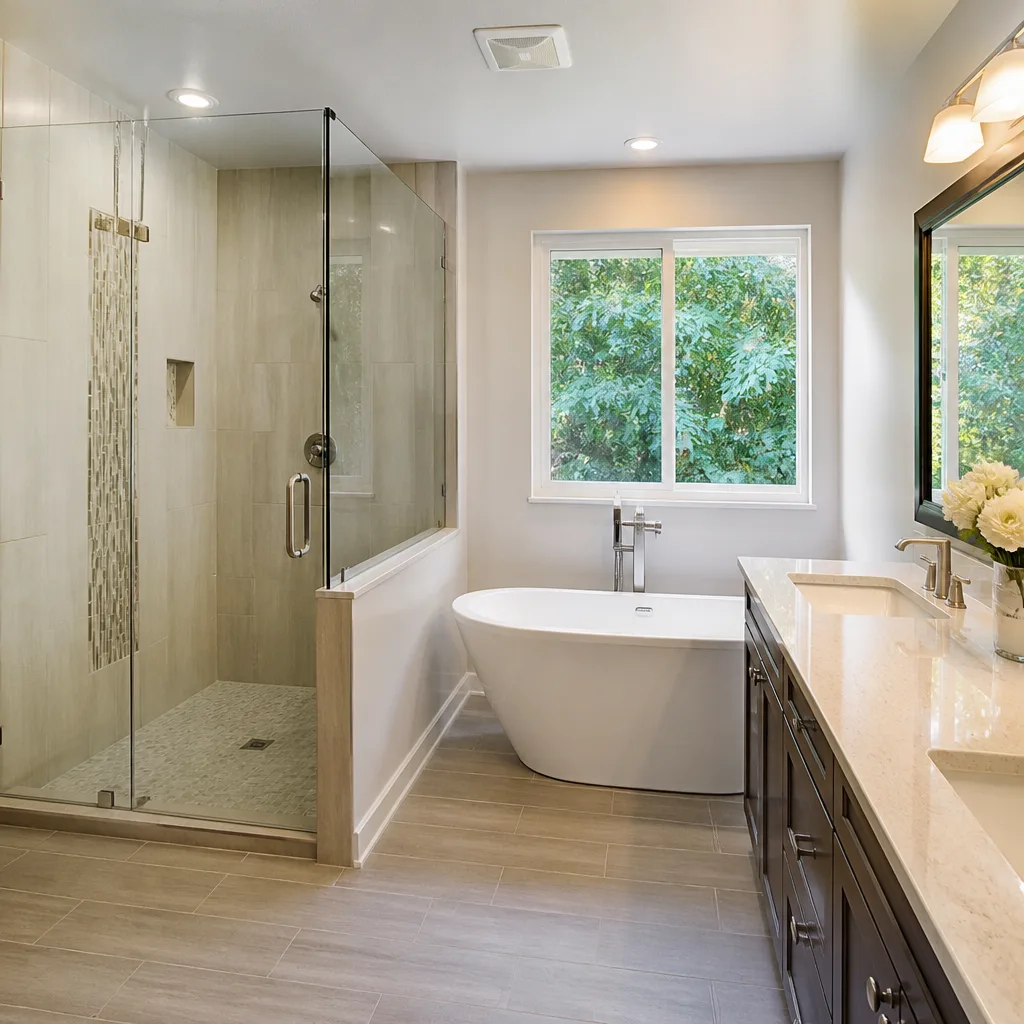 Bathroom remodeling
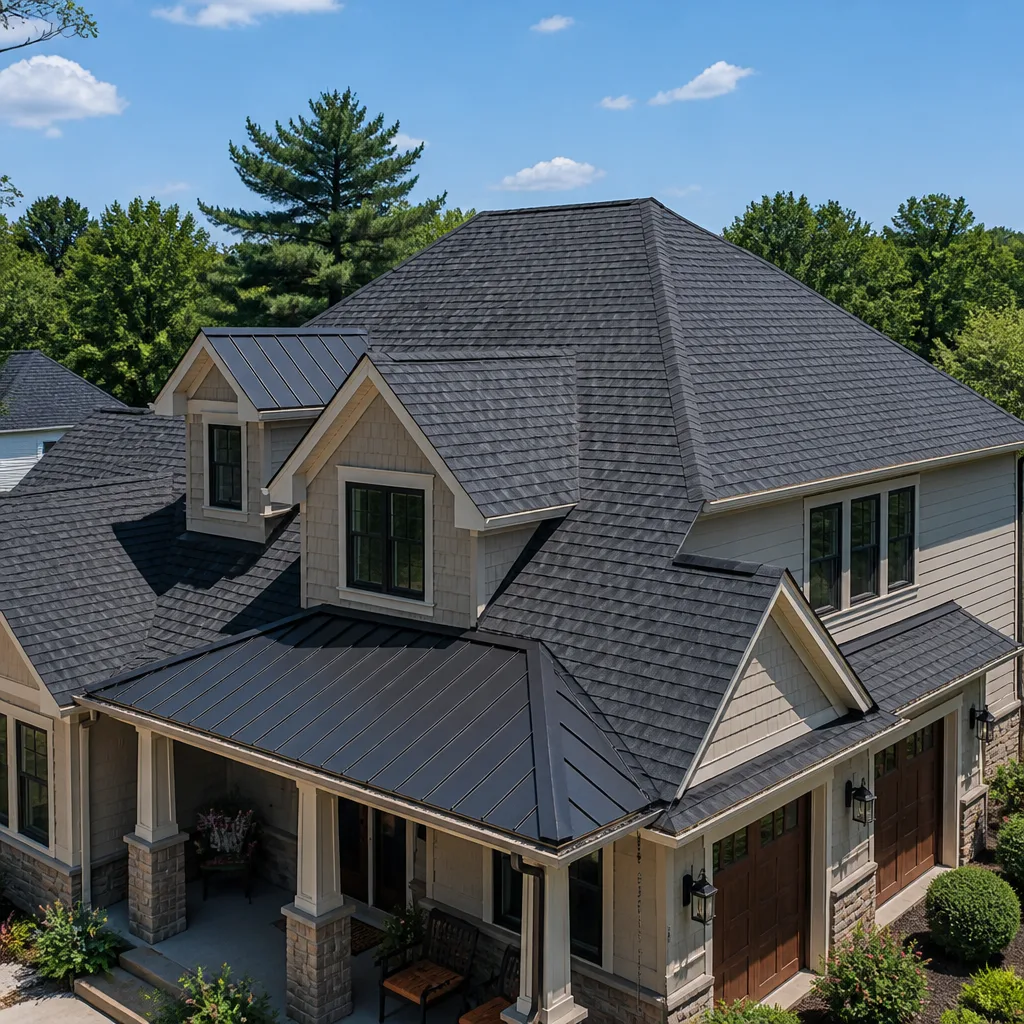 Roofing
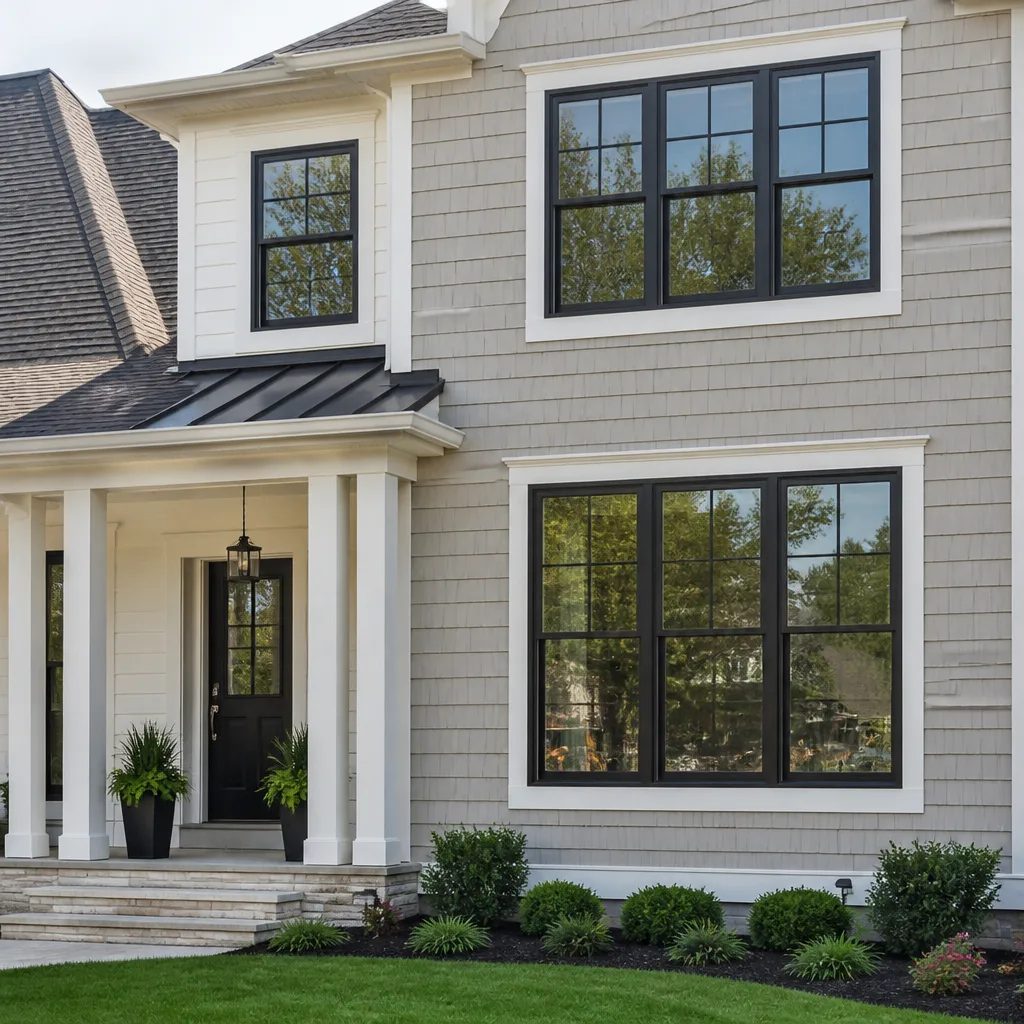 Windows & doors
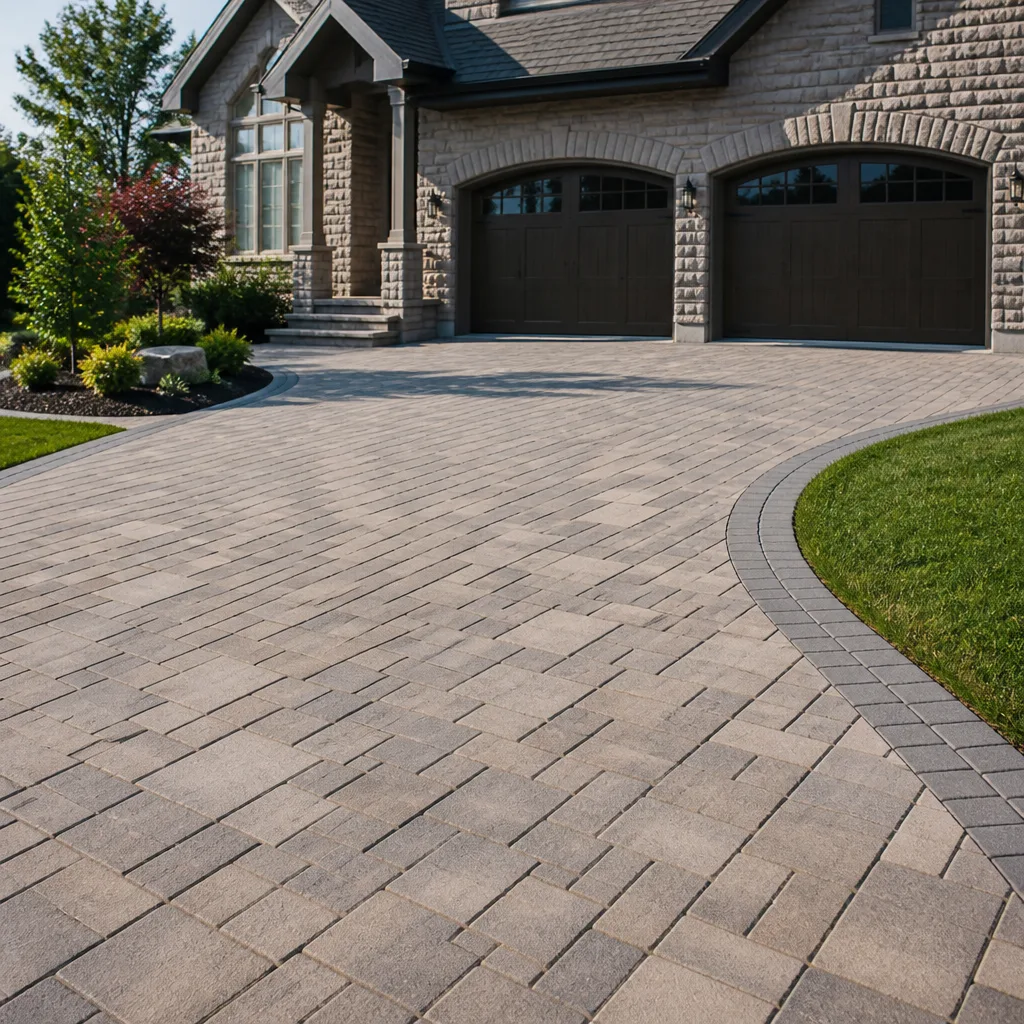 Driveway & pavers
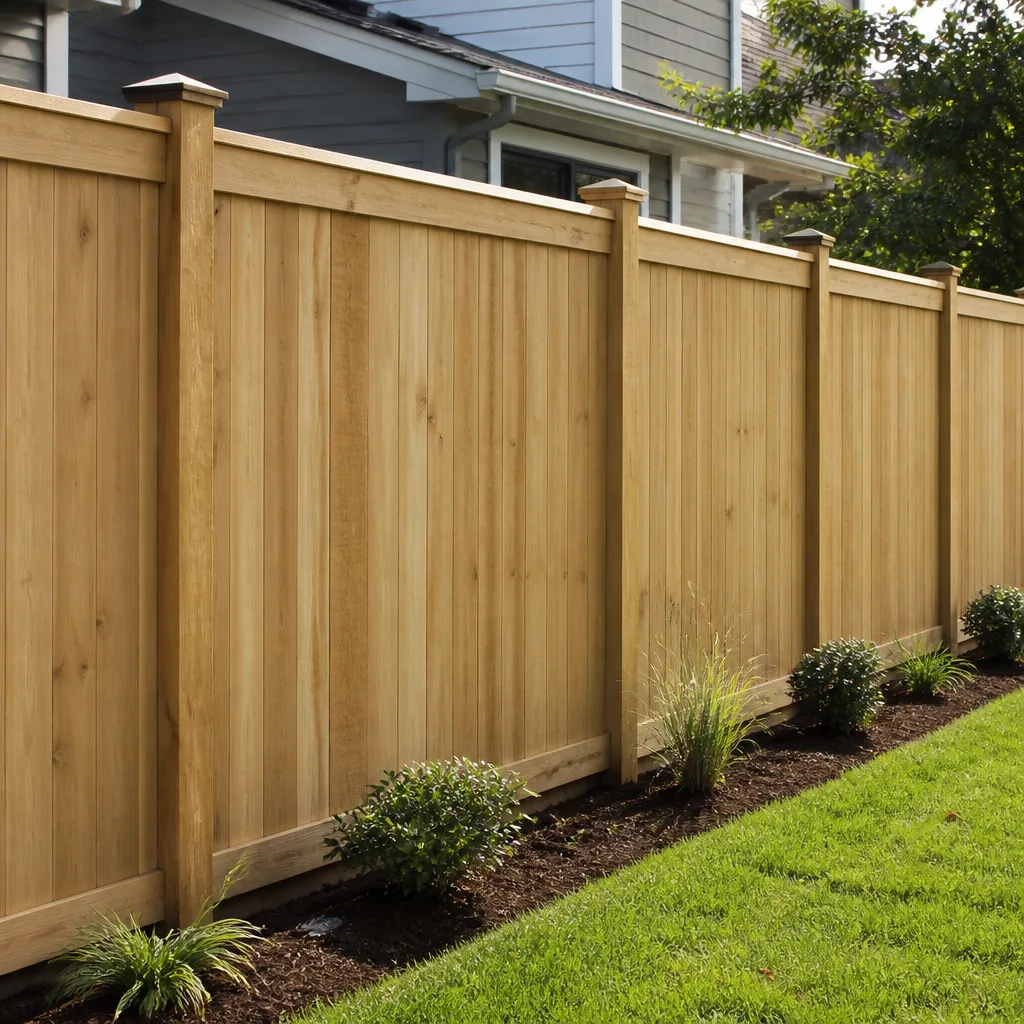 Fence
Free written scope consultation - allowances, timeline, and change-order rules on paper before a single trade is scheduled
Seasonal Construction Care for Henderson: Year-Round Homeowner’s Guide
July ground temperatures in Henderson regularly exceed 160°F. That single number changes how your roof, your pavers, your stucco, and even your kitchen cabinetry age. Manufacturer warranties are typically calculated using temperate-climate testing data, which means the math protecting your largest investment may not reflect the Mojave reality outside your door. This guide maps the five weather phases Henderson homeowners actually live through, shows you what each phase does to your home’s materials, and tells you exactly what to inspect, when to schedule work, and when to leave it to a professional. For The Complete Guide to Construction in Henderson, see our broader resource.
Styles & brands we work with
Quick Answer
Seasonal home maintenance in Henderson NV isn’t a spring-and-fall checklist. It’s a year-round cycle built around five distinct weather phases: dry spring, thermal peak, monsoon spike, mild fall, and cold-desert winter. The two phases that cause the most damage, mid-summer thermal peak and late-summer monsoon, are the ones most homeowners ignore because they don’t fit the traditional maintenance calendar. The most cost-effective maintenance window for any construction or renovation work runs from late October through early March, when temperatures are within proper curing ranges for sealants, paints, and setting materials.
Table of Contents
- Henderson’s Five Weather Phases: What Actually Happens to Your Home
- Thermal Expansion: The Silent Stress on Henderson Materials
- Monsoon Preparation Is a Construction Task, Not a Yard Cleanup
- When to Paint, Caulk, and Seal in Henderson: The Temperature Windows That Matter
- Scheduling Construction Projects Around Henderson’s Heat
- A Month-by-Month Henderson Inspection Calendar
- Common Mistakes to Avoid
- When to Call a Professional
- Frequently Asked Questions
- The Bottom Line
Henderson’s Five Weather Phases: What Actually Happens to Your Home
Henderson doesn’t do spring, summer, fall, winter. It does five phases, and each one stresses your home differently. Understanding the sequence is the foundation of smart seasonal care, because what you do in February changes what fails in July.
Phase 1: Dry Spring (March through May)
Spring in Henderson is windy, warm, and bone dry. Average humidity in April and May hovers around 15 to 20 percent, and wind gusts regularly hit 30 to 40 mph. For your home, this combination means dust intrusion, rapid evaporation of soil moisture, and debris accumulating against fences, gates, and exterior walls. It’s also the phase when stucco and concrete foundations shed moisture unevenly, which can reveal hairline cracks that opened during winter’s cooler contraction. Spring is the right time to catch those cracks before the heat locks them into place.
Phase 2: Thermal Peak (June through early August)
This is Henderson’s endurance test. Consecutive days above 105°F are normal, and overnight lows in July often stay above 85°F. Your home’s materials never get a chance to cool. Asphalt shingles absorb solar radiation all day and radiate heat all night. The expansion and contraction cycle that asphalt shingles experience in a single July week in Henderson is roughly equivalent to a full month of temperate-climate stress. South-facing walls can reach surface temperatures of 150 to 170°F, which is hot enough to soften some caulks and cause premature degradation in window weatherstripping. Composite and wood cabinetry placed against south-facing walls also experiences accelerated drying.
Phase 3: Monsoon Spike (late July through September)
Monsoon season hits Henderson differently than Phoenix or Tucson. The city sits at the northern edge of the North American monsoon pattern, which means the storms that arrive are often shorter, more intense, and less predictable. A single afternoon can drop 0.75 inches of rain on ground that has been baked hard for two months. Water doesn’t soak in; it runs. That sheet flow finds every low spot in your grading, every gap in your window flashing, every cracked seal around a roof penetration. Most water intrusion damage in Henderson happens during this eight-to-ten week window.
Phase 4: Mild Fall (October through November)
Fall is Henderson’s longest comfortable stretch. Daytime highs in the 70s and 80s, low humidity, and minimal wind make it the best window for exterior work. But fall is short-lived, and contractors across the valley know it. If you want painting, caulking, sealing, stucco repair, or paver installation done before the winter, this is when you need to have the contract signed—something we cover in detail in Choosing the Right Construction Brand: A Buyer’s Guide for Henderson. Waiting until November means you’re competing for schedule space and potentially pushing your project into colder nighttime temperatures that affect curing.
Phase 5: Cold-Desert Winter (December through February)
Henderson winters are mild by most standards, but the Mojave’s cold-desert character shows itself in overnight temperature swings. January nights routinely drop into the 30s, and freeze warnings are not unusual in Anthem, MacDonald Highlands, and higher-elevation neighborhoods near the McCullough Range. Daytime highs in the 50s and 60s mean materials like concrete, mortar, and some sealants can struggle to cure properly if installed without cold-weather accommodations. This is the season for indoor work: kitchens, bathrooms, cabinetry, countertops, and flooring all proceed smoothly while the exterior rests.
Thermal Expansion: The Silent Stress on Henderson Materials
Every material in your home expands when heated and contracts when cooled. In Henderson, the swing between a January night and a July afternoon can exceed 80 degrees. Repeated hundreds of times per year, that movement is the root cause of most cosmetic and structural failures we see across the valley. Different materials move at different rates, and the interfaces between them, where concrete meets stucco, where window frames meet wallboard, where pavers meet the foundation edge, absorb the most punishment.
Materials That Move the Most in Henderson
- Pavers and concrete hardscape: Concrete pavers expand significantly in direct sun. A 20-foot paver patio can grow by up to 3/8 inch between January and July. If the border restraints weren’t installed with adequate expansion gaps, you’ll see buckling, lifting, or edge separation by August. We see this regularly in communities like Green Valley Ranch and Anthem, where large paver installations are common.
- Stucco and exterior cladding: Stucco expands and contracts slowly, but its supporting framing moves more. Hairline cracks in stucco are almost always at stress points: corners of windows, top corners of garage openings, and any point where two wall planes meet. If a crack is wider than a credit card at its widest point, it’s time to have it looked at.
- Composite and wood cabinetry: Cabinetry installed along south-facing walls absorbs solar heat through the wall assembly. Over repeated cycles, solid wood doors can warp, and composite panels can begin to delaminate at the edges. This is especially common in kitchens with large south-facing windows or patios that reflect heat back into the house.
- Window and door frames: Vinyl and fiberglass frames expand more than glass, which creates stress on seals at the corners. Weatherstripping that looked fine in March can be flattened and ineffective by September.
- Roof penetrations and flashing: Metal flashing expands and contracts at a different rate than the shingles or tiles around it. The joints around plumbing vents, exhaust fans, and skylights are the most common points of roof failure in Henderson. Every monsoon season exposes the joints that were silently loosening all summer.
Inspection Signs to Track
You don’t need a construction background to monitor thermal stress. What you need is a simple reference point and a habit of checking it. We tell Henderson homeowners to set a recurring calendar reminder: first Saturday of March, June, September, and December. Walk the perimeter. Look at the same ten points each time. Take photos with your phone the first time, then compare every three months. Cracks that widen, sealant that pulls away, pavers that lift: these are all progressive failures that are cheap to fix early and expensive to fix late. The General Contractor in Henderson team at Slatestone performs this kind of seasonal assessment regularly for homeowners who want a professional eye on the same checklist.
Monsoon Preparation Is a Construction Task, Not a Yard Cleanup
Most monsoon preparation advice focuses on trimming tree limbs and securing patio furniture. Those things matter, but the real danger to a Henderson home is water finding its way in through the building envelope. Monsoon prep should be a construction inspection, and it needs to happen before the first storm hits, ideally in June, not in August when you’re already seeing water stains on the ceiling.
Step-by-Step Monsoon Construction Checklist
- Inspect all roof penetrations. Plumbing vents, exhaust fan housings, HVAC flues, skylight curbs. Look for cracked boots, failed sealant, and flashing that has pulled away from the roof surface. Any gap wider than 1/8 inch is a water entry point under monsoon sheet flow.
- Test window and door flashing. Run a hose along the top edge of each window frame at low pressure. Watch for water appearing on the interior side or trickling down the inside of the frame. This is a five-minute test that catches most installation flaws.
- Check drainage grading. The ground around your foundation should slope away at roughly 1/4 inch per foot for at least the first six feet. After two months of thermal peak heat, the soil has contracted and pulled away from the foundation in many Henderson homes. That gap is exactly where monsoon runoff heads.
- Clear roof valleys and scuppers. Flat and low-slope roofs in Henderson rely on scuppers and downspouts to shed water. A blocked scupper turns your roof into a shallow pool, and most residential flat roofs in the valley are not designed to hold standing water for more than 48 hours.
- Verify paver and hardscape drainage. Paver patios should slope away from the house. If your pavers have shifted during thermal peak expansion, that slope may have reversed. Shine a flashlight across the surface at dusk and watch where water pools during the next rain. Pooling near the foundation is a red flag.
If any of these checks reveal a problem, it’s far cheaper to fix in June than in August. Water that penetrates the envelope during monsoon season rarely causes immediate, visible damage. It soaks into wall cavities, saturates insulation, and feeds mold growth that shows up months later. Monsoon prep is the highest-return maintenance work a Henderson homeowner can do, and it’s almost entirely inspection-based.
When to Paint, Caulk, and Seal in Henderson: The Temperature Windows That Matter
Paints, caulks, and sealants are chemical products. They cure through solvent evaporation, moisture reaction, or UV cross-linking, and every one of those processes has a temperature range where it works correctly. In Henderson, the wrong installation temperature doesn’t just slow curing. It can permanently compromise the finished product.
The Numbers That Govern Exterior Work
- Exterior paint: Most premium acrylic latex paints require surface temperatures between 50°F and 90°F during application and for several hours afterward. In July, even early-morning surface temperatures in Henderson exceed 100°F. The paint skins over before it bonds properly, which leads to peeling within a year. The reliable painting window runs from early October through mid-November and again from late February through April.
- Caulk and sealant: Silicone and polyurethane sealants generally require application temperatures between 40°F and 100°F, but direct sun on a south-facing wall can push surface temperature 30 to 40 degrees above ambient. What feels like a mild 80-degree day in October is actually a 120-degree surface on a stucco wall facing south. Sealant work on south and west exposures in Henderson should be done in the early morning or late afternoon during the shoulder seasons, or in winter when the sun angle is lower.
- Stucco repair and patching: Stucco requires both moderate temperature and moderate humidity to cure correctly. Hot, dry air pulls moisture out of the mix too quickly, creating a weak, crumbly patch. The ideal stucco window in Henderson is October through March.
- Paver joint sand and polymeric sand: Polymeric sand activates with water and then requires several hours of drying time without direct sun on the pavers. Summer installation in Henderson often results in the sand curing too quickly and failing to set properly in the joints. Fall and winter installation produces dramatically better results.
How to Plan Exterior Work Correctly
The pattern here is consistent: Henderson’s best exterior work window runs from October through March. That’s a six-month stretch when surface temperatures stay within proper ranges for the majority of the day. If you’re planning exterior painting, stucco repair, caulking, sealing, paver work, fence staining, or window replacement, aim to have those projects scheduled during this window. The Home Renovation in Henderson projects we schedule in this period consistently produce better long-term results simply because the chemistry works. Waiting until April pushes you into the thermal peak, when even the best-installed materials are fighting the environment.
Scheduling Construction Projects Around Henderson’s Heat
Henderson’s heat doesn’t just affect materials; it affects the quality of installation work itself. Tradespeople working in 110-degree heat are slower, more fatigued, and more prone to error than the same crew working in 75-degree weather. That’s not a knock on the trades. It’s human physiology and it’s measurable. For a homeowner planning a significant renovation, this means the calendar is a quality control tool as much as a scheduling convenience.
The Quality Window: Late October Through Early March
From a pure construction-quality standpoint, the best time to run major projects in Henderson is late October through early March. Daytime temperatures stay in the 60s and 70s, overnight lows stay above freezing in most of the valley, and humidity returns to levels that allow setting materials, sealants, and paints to cure properly. Tradespeople work faster and with better attention to detail in this window. The one trade that becomes more difficult in winter is roofing, since early-morning frost can make shingle handling more delicate. But experienced Henderson roofing crews account for this, and November through February remains a solid roofing window. The Home Remodeling in Henderson projects Slatestone schedules for this period include full exterior-to-interior renovations, ADU construction using prefab systems from partners like Dvele and Boxabl, and complete kitchen and bath remodels. The same crew that re-roofs and re-flashes can start the interior work without a handoff, which keeps the project timeline intact.
The Value Tradeoff: Summer Interior Work
Summer is not a dead zone for construction in Henderson, but it requires a different project plan. Interior work proceeds well in summer: kitchens, baths, flooring, cabinetry, countertops, and painting all work fine in the controlled environment of an air-conditioned home. What suffers in summer is exterior work: roofing, stucco, pavers, fencing, and any sealing or caulking. Smart homeowners run interior projects during thermal peak and save exterior work for the shoulder seasons. This approach also spreads project cost across the year and avoids the scheduling crunch that hits every contractor in October.
ADU and Prefab Construction: The Exception That Proves the Rule
Prefab and modular construction, like the ADU systems from Dvele, Boxabl, Mighty Buildings, and Cover, flips some of this logic. Because most of the structure is built in a controlled factory environment, the on-site work is limited to foundation, utility connection, and finishing. That means a prefab ADU can proceed through parts of the summer that would stall a stick-built addition. The foundation pour still needs moderate temperatures, but once the pad is in, the modular units can be set and connected within days rather than months. For Henderson homeowners who want an ADU but keep hitting scheduling walls, prefab is a legitimate path around the valley’s construction calendar. Slatestone Contractors home capabilities include these prefab partnerships specifically because Henderson’s climate makes traditional summer framing so difficult.
A Month-by-Month Henderson Inspection Calendar
The best maintenance program is one you’ll actually follow. Henderson doesn’t need a 50-item seasonal checklist. It needs a monthly rhythm of small inspections, each timed to catch a specific seasonal stress before it becomes a repair. Here’s the calendar we recommend to homeowners across Henderson, including Green Valley, Anthem, MacDonald Ranch, and the communities along the McCullough Range.
January
- Check for freeze damage on exterior hose bibs and irrigation valves. Even a light Henderson freeze can split a brass valve.
- Inspect interior caulk joints around tubs, showers, and sinks. Winter’s low humidity causes shrink-and-crack failures.
- Test all GFCI outlets and smoke/CO detectors. The heating season is peak time for electrical faults.
February
- Inspect roof flashing and shingle condition before spring winds arrive.
- Check stucco for winter crack propagation. Any crack wider than 1/16 inch should be sealed.
- Begin planning exterior projects: get quotes for painting, caulking, and hardscape work for the fall window.
March
- Clean and test all window weep holes and drainage channels. Spring winds pack them with dust.
- Check window weatherstripping and door sweeps. The dust that blew in all spring will have worn them down.
- Verify that irrigation lines are intact after winter. A leak near the foundation is a grading problem waiting to happen.
April
- Inspect paver borders and edge restraints before thermal expansion peaks.
- Check cabinet doors and drawers near south-facing windows for warping or binding.
- Service the HVAC system. The thermal peak is coming, and a failed compressor in July is a Henderson emergency.
May
- Complete monsoon prep inspection: roof penetrations, flashing, grading, and drainage.
- Check all exterior seals and caulk for cracks before the heat locks them in place.
- Test the roof for any shingles that lifted during spring wind events.
June
- Perform the full monsoon construction checklist (see the section above). This is the last comfortable month for roof work.
- Verify that all downspouts and scuppers are clear and directed away from the foundation.
- Inspect window flashing with a hose test on at least the south and west elevations.
July
- Limit exterior work. This is inspection-only month.
- Check for heat-related failures: paver buckling, sealant softening, weatherstripping failure.
- Monitor indoor humidity. Henderson’s thermal peak means air conditioners run constantly, and condensation problems show up at the worst time.
August
- Inspect for monsoon water intrusion after each major storm. Check ceilings, window sills, and baseboards.
- Check roof penetrations again after the first several storms. Flashing that survived June may have failed by August.
- Review your monsoon inspection photos from May and June. Compare deterioration.
September
- Begin the post-monsoon inspection. Any water stains, efflorescence on stucco, or new cracks should be documented.
- Check mold growth in attics and crawlspaces. Monsoon humidity condenses in these spaces.
- Start planning fall construction projects if you haven’t already.
October
- Begin exterior work: painting, caulking, sealant replacement, stucco repair, and paver work.
- Inspect roof again before winter. This is the last easy roofing window before the colder nights arrive.
- Check heater operation before the first real cold snap.
November
- Continue exterior work while daytime highs hold in the 60s and 70s.
- Inspect and seal any remaining cracks before winter moisture penetrates them.
- Check drainage grading one more time. Winter rains in Henderson, while rare, do happen, and saturated soil moves differently than dry soil.
December
- Inspect for winter condensation on windows and walls. Henderson’s cold nights and heated interiors create condensation problems most homeowners don’t expect.
- Check attic insulation and ventilation. The heating season is the best time to spot thermal bridging.
- Schedule interior projects for the winter window: kitchens, baths, flooring, and cabinetry.
Common Mistakes to Avoid
- Treating monsoon prep as yard work. The most common mistake we see in Henderson is trimming trees and putting away patio furniture while ignoring the roof penetrations, flashing, and drainage grading that actually protect the house. Water intrusion doesn’t come from a falling branch; it comes from a failed seal.
- Painting the exterior in May or June. Every spring, homeowners schedule exterior painting right as temperatures cross the 90-degree line. The resulting paint job looks fine for eight months, then begins peeling at the next monsoon. Wait for October.
- Ignoring paver movement. Pavers lift and shift in Henderson’s thermal peak. By August, a patio that was flat in March can have a 1/2-inch lip at the edge. That’s a trip hazard and a drainage problem. Catch it early.
- Watering the foundation in summer. Some homeowners overwater the soil near the foundation to combat contraction. This causes uneven soil movement and can push water into the foundation wall. Consistent, moderate irrigation is the fix, not drenching.
- Scheduling roof work in July. Asphalt shingles soften in Henderson’s July heat, making them vulnerable to tool marks and footprints. The work itself is physically brutal on crews. Any roofing you can defer until October will be done better.
- Sealing cracks in the wrong season. Sealing a stucco crack in August means putting sealant on a surface that’s 140 degrees. It fails quickly. Seal in fall or early spring when the surface is within the sealant’s curing range.
- Waiting until the monsoon to check drainage. By the time water is pooling against your foundation, the fix is already expensive. Check grading and drainage in June. The monsoon will tell you if you missed something, but by then it’s a repair, not a prevention.
When to Call a Professional
Some seasonal care is straightforward DIY work: cleaning weep holes, checking weatherstripping, clearing debris from scuppers. But several Henderson-specific situations warrant a professional. If you find a stucco crack wider than 1/16 inch that reappears after sealing, the underlying movement needs evaluation. If your roof flashing has pulled away at multiple penetrations, a roofer should assess the full system. If pavers have lifted more than 1/4 inch across a large area, the base layer has likely failed and will need more than a reset. If you see water stains on ceilings after monsoon storms, the intrusion point may be far from the visible stain and requires investigation. If you’re considering exterior work, a full exterior renovation, or want a seasonal assessment from someone who knows Henderson’s construction conditions, Slatestone Contractors offers free estimates in Henderson. Call (833) 734-5541 to schedule yours.
Frequently Asked Questions
The best window for exterior renovations in Henderson runs from late October through early March. During this period, daytime temperatures stay within proper curing ranges for paints, sealants, stucco, and setting materials, and surface temperatures on south-facing walls remain below the 100°F threshold that compromises application quality. Most experienced Henderson contractors and homeowners reserve this window for exterior painting, caulking, stucco repair, paver installation, and fencing work. Call (833) 734-5541 to discuss a fall or winter exterior project.
In Henderson, you should inspect your roof at least twice per year: once in late February or early March after winter and spring winds, and again in September after monsoon season. The September inspection is the more important of the two because monsoon storms are the primary cause of roof penetration failures in the valley. Focus on roof penetrations (vents, flues, skylights), flashing joints, and any shingles that appear lifted or curled. A professional roof inspection is worth it any time you see water stains or suspect flashing failure.
Yes. Tile roofs shed water well across the field of the roof, but they have just as many penetrations as shingle roofs, and the flashing around those penetrations is the point of failure. Tile roofs also tend to collect debris in valleys and behind parapet walls, which can direct water into places it shouldn’t go. Monsoon prep for a tile roof means inspecting the flashings, clearing debris from valleys and scuppers, and verifying that the underlayment is intact wherever it is exposed.
Pavers lift and shift in Henderson’s summer because concrete expands in direct sun, and when a large paver installation expands without adequate perimeter restraint or expansion joints, the pavers push against each other and buckle. A 20-foot run of pavers can grow by nearly 3/8 inch between January and July. Proper installation includes edge restraints with expansion gaps and occasional flexible joints in large fields. If your pavers are lifting, the base layer may also be compromised by undermining from irrigation or poor drainage.
Yes, and winter is often the best time for exterior painting in Henderson. Daytime highs in the 50s and 60s are well within the application range for quality acrylic latex paints, and overnight lows rarely drop below freezing in most of the valley. The main winter concern is early-morning moisture or frost on the surface, so painting typically starts mid-morning. Winter painting avoids the extreme surface temperatures that compromise paint adhesion in summer.
Seasonal home maintenance in Henderson ranges widely depending on what you find. A basic seasonal inspection from a general contractor typically runs $200 to $500. Sealing cracks and replacing weatherstripping might cost $100 to $400. Roof flashing repair at a single penetration runs $150 to $500. Exterior painting on a 2,000-square-foot home typically runs $4,000 to $9,000 depending on prep work and materials. The most expensive maintenance by far is deferred maintenance: water damage, roofing replacement, and foundation repair can reach $10,000 to $30,000 when small problems are ignored. Call (833) 734-5541 for a free estimate tailored to your Henderson home.
The Bottom Line
Henderson’s climate punishes homes on its own schedule, not the one printed on a generic maintenance calendar. The five phases, dry spring, thermal peak, monsoon spike, mild fall, and cold-desert winter, each demand different attention. Thermal peak stresses materials through extreme expansion cycles. Monsoon spike exploits every weakness that the heat opened up. The fall and early winter window is your opportunity to fix what the summer revealed, and to do it while temperatures are within proper curing ranges. If you follow the inspection calendar above, catch cracks and seal failures early, and reserve exterior work for the October through March window, you’ll avoid most of the expensive surprises Henderson homes can throw at their owners. And when the problem is beyond a simple fix, you know who to call.
Written by the team at Slatestone Contractors, serving Henderson since 2018.
See the difference
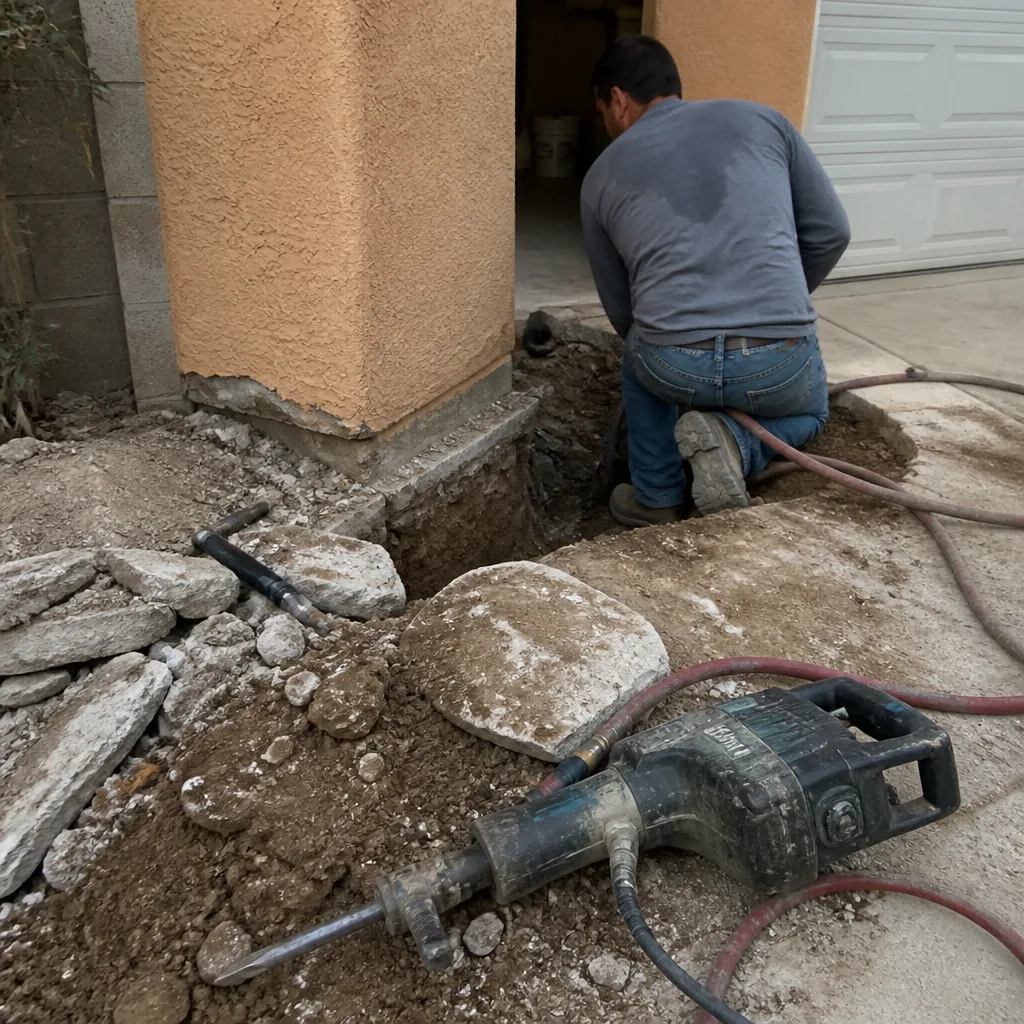 Before
 After
 Before
 After
 Before
 After